Buy 謝罪.com ?
We are moving the project
謝罪.com .
Are you interested in purchasing the domain
謝罪.com ?
domain@kv-gmbh.de · 0541-91531010
Buy 謝罪.com ?
'Imperfect or past tense?'
The imperfect tense is used to describe ongoing or repeated actions in the past, while the past tense is used to describe completed actions in the past. The imperfect tense often sets the scene or provides background information in a story, while the past tense moves the narrative forward by detailing specific events. Both tenses are important in storytelling as they help create a sense of time and progression in the narrative. **
'Imperfect or simple past?'
The choice between using imperfect or simple past tense depends on the context and the specific action being described. The imperfect tense is used to describe ongoing or repeated actions in the past, while the simple past tense is used to describe completed actions in the past. It is important to consider the duration and completion of the action when deciding between imperfect or simple past tense. **
Similar search terms for Imperfect
Top-Angebote
Products related to Imperfect:
-
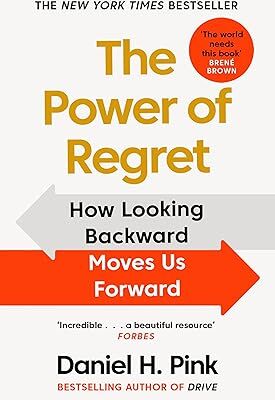
Canongate Books The Power of Regret: How Looking Backward Moves Us Forward by Daniel H. Pink - Paperback Non-Fiction Self-Help Book - AdultDiscover how looking backward can move us forward with 'The Power of Regret' by Daniel H. Pink. This brand new paperback, published by Canongate Books, draws on Pink's World Regret Survey to reveal the value of regret in making smarter decisions, improving performance, and living with greater purpose. Named a Financial Times Best Book of the Year 2022, it's a standout addition to any non-fiction shelf. The book explores how everybody has regrets and argues that they deserve more credit than they usually get. With accessible, research-driven content and real stories, it's a thought-provoking read that will help you understand the role of regret in your life.2,99 £*Shipping: 2,99 £Secure redirect to the provider
-
Canelo James Blake Thrillers by Seb Kirby - 3 Book Collection Set (Take No More, Regret No More, Forgive No More) - Crime Thriller Paperback - Adult FictionThe James Blake Thrillers is a fast-paced crime and conspiracy series from Seb Kirby, following art-world investigator James Blake across Europe and America as he uncovers deadly secrets, corruption and betrayal. This paperback set brings together all three books in the series - Take No More, Regret No More and Forgive No More - perfect for thriller fans who love globe-trotting plots, high stakes and twisting conspiracies from first page to last. In Take No More, James Blake discovers his wife murdered in their London home and, as the prime suspect, flees to Florence and Venice, uncovering a shadowy underworld tied to a lost fortune. Regret No More finds Blake and his family in hiding until a phone call reveals their location, and they must navigate a complex web of deceit and betrayal to stay one step ahead of their pursuers. Forgive No More concludes the series with a thrilling showdown between Blake and his enemies, as he fights to clear his name and bring justice to those responsible for his wife's murder. Published by Canelo, this collection is a must-read for fans of crime fiction and conspiracy thrillers.13,99 £*Shipping: 2,99 £Secure redirect to the provider

-
Why is God imperfect?
The concept of God being imperfect is subjective and varies depending on one's beliefs and interpretations. Some may argue that God is imperfect because of the existence of suffering and evil in the world, which they believe a perfect being would not allow. Others may view imperfections in God as a way to relate to humanity and understand human struggles. Ultimately, the idea of God's imperfection is a complex and deeply philosophical question that has been debated by theologians and scholars for centuries. **
-
Imperfect or passé composé when?
The choice between imperfect and passé composé depends on the context and the specific action being described. The imperfect is used to describe ongoing or repeated actions in the past, while the passé composé is used for completed actions. If the action is a one-time event that happened in the past, the passé composé is more appropriate. However, if the action was ongoing or repeated, the imperfect should be used. **
-
Is nature creation perfect or imperfect?
Nature creation can be seen as both perfect and imperfect. On one hand, the intricate balance and beauty found in nature can be seen as perfect, showcasing the complexity and harmony of the natural world. However, imperfections such as natural disasters, diseases, and extinction of species also exist, highlighting the flaws and vulnerabilities within nature. Ultimately, the concept of perfection or imperfection in nature is subjective and can vary depending on individual perspectives. **
-
Why is the imperfect tense perfect?
The imperfect tense is considered perfect because it is used to describe ongoing or repeated actions in the past. It allows for a more detailed and nuanced description of past events, providing context and background information. The imperfect tense is perfect for expressing habitual actions, setting the scene, or describing past events that were in progress when something else happened. Its versatility and ability to convey a sense of continuity make it an essential and perfect aspect of past tense in many languages. **
Why is the imperfect used there?
The imperfect is used in this sentence to describe a repeated or ongoing action in the past. It indicates that the action of watching TV was habitual or continuous in the past, rather than a one-time event. This tense helps to provide context and background information about the speaker's past behavior. **
When is the imperfect tense used?
The imperfect tense is used in Spanish to describe ongoing or repeated actions in the past. It is also used to describe past actions that do not have a specific endpoint or duration. Additionally, the imperfect tense is used to describe past habitual actions or states of being. **
Top-Angebote
Products related to Imperfect:
-
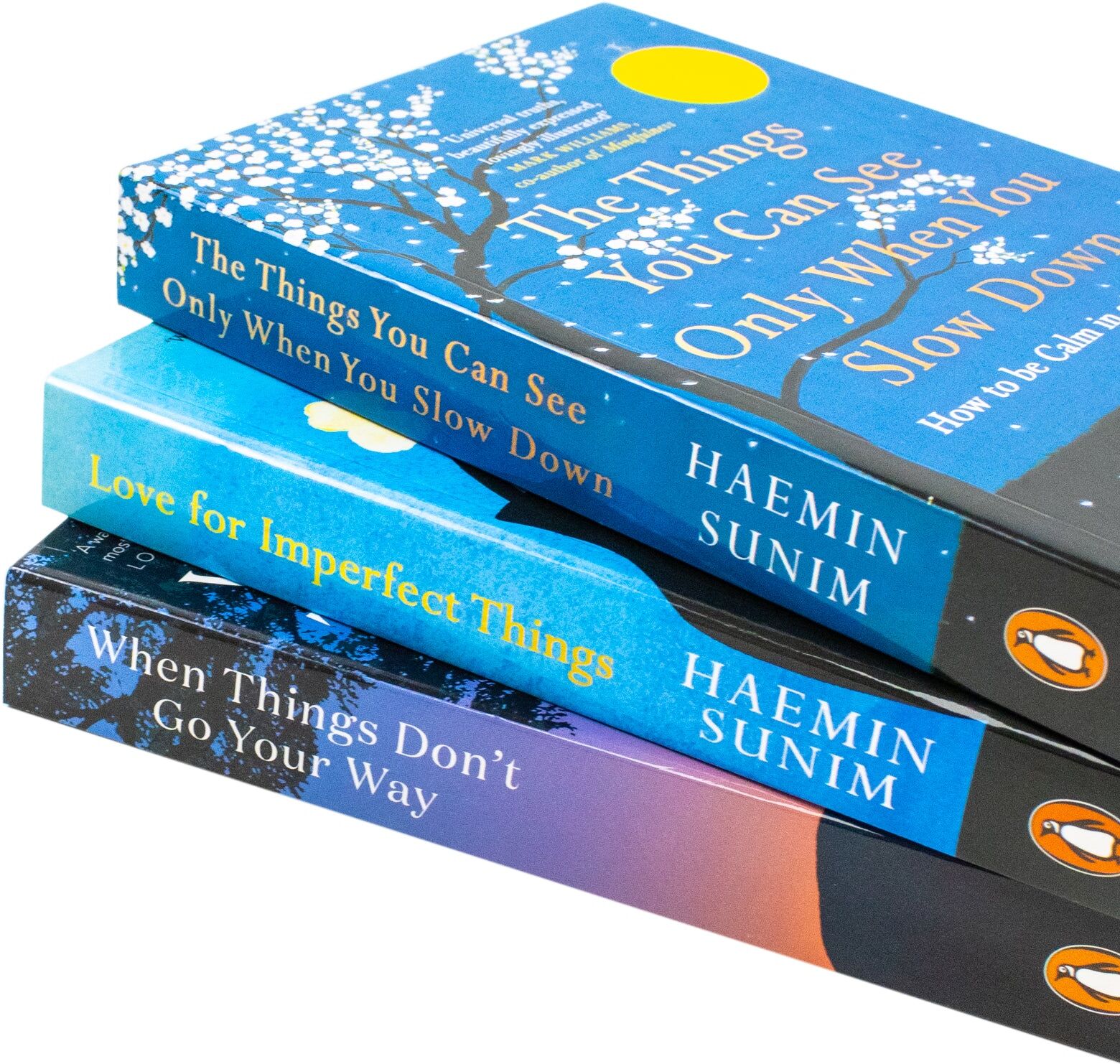
Penguin Haemin Sunim Collection 3 Books Set (The Things You Can See Only When You Slow Down, When Things Don't Go Your Way, Love for Imperfect Things)Haemin Sunim Collection 3 Books Set (The Things You Can See Only When You Slow Down, When Things Don't Go Your Way, Love for Imperfect Things) The Things You Can See Only When You Slow Down In this timely guide to mindfulness, Haemin Sunim, a Buddhist monk born in Korea and educated in the United States, offers advice on everything from handling setbacks to dealing with rest and relationships.Combining his teachings with calming full-colour illustrations, Haemin Sunim's simple messages speak directly to the anxieties that have become part of modern life and remind us of the strength and joy that come from slowing down. When Things Don’t Go Your Way Modern life doesn't always go our way. Loss, rejection, uncertainty and loneliness are unavoidable parts of the human experience -- but there is solace to be found.In When Things Don't Go Your Way, Zen Buddhist teacher Haemin Sunim provides simple but powerful wisdom for navigating life's challenges. Through his trademark combination of beautiful illustrations, insightful stories, and contemplative aphorisms, Sunim helps us reframe our mindsets and develop emotional agility. Love for Imperfect Things No one is perfect. But that doesn't stop us from imagining how much happier we'd be if we were smarter, funnier, richer, or thinner. But what if being yourself is enough?Love for Imperfect Things, by the bestselling Korean monk Haemin Sunim, shows how the path to happiness and peace of mind starts with letting go of worries about ourselves. With chapters on self-compassion, courage, healing, and acceptance.20,99 £*Shipping: 2,99 £Secure redirect to the provider
-
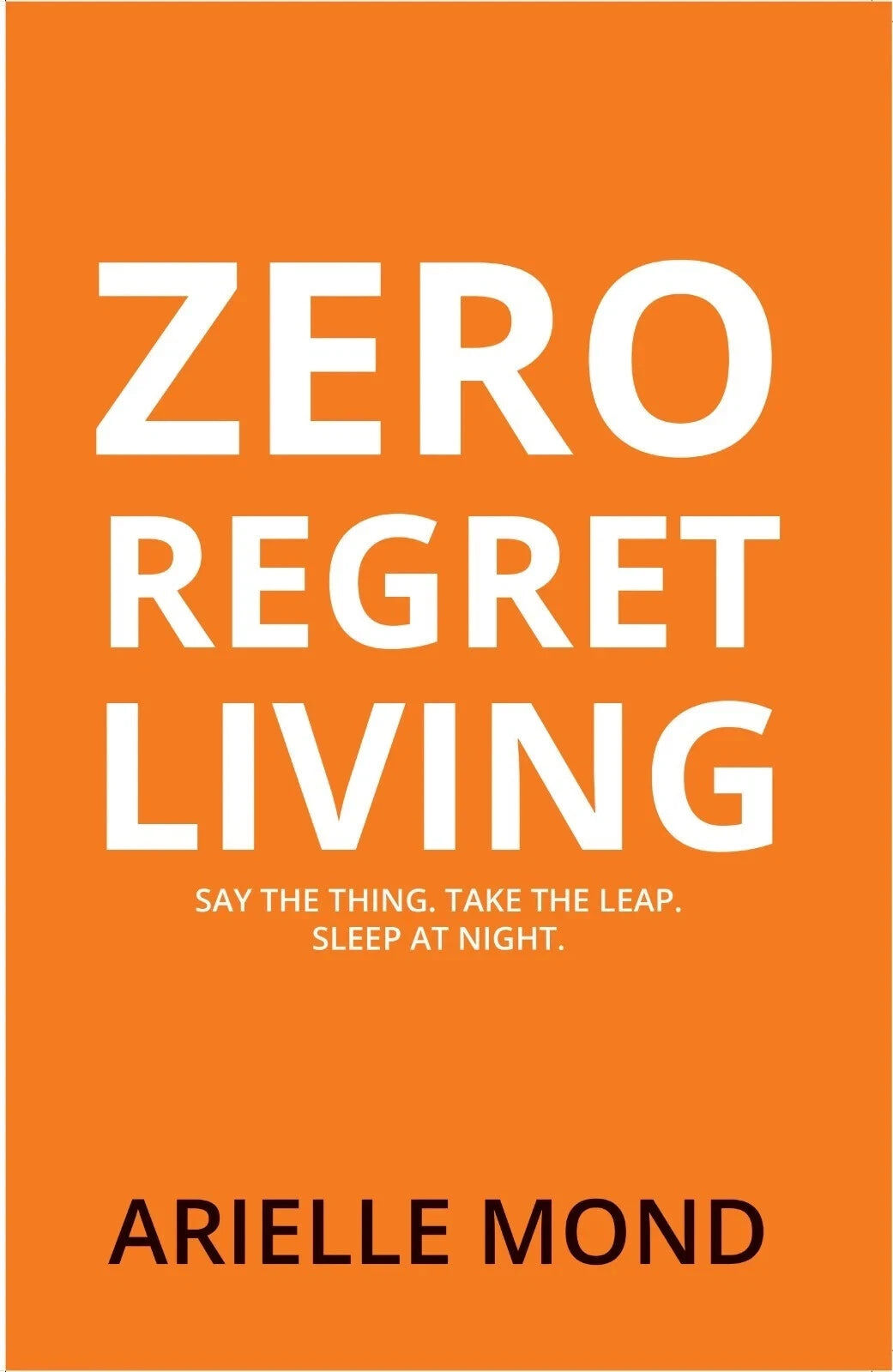
Rupa Publications Zero Regret Living: Say the Thing, Take the Leap, Sleep at Night by Arielle Mond - Paperback Self-Help Guide to Braver, Regret-Free LivingDiscover a bold and practical guide to living a life of purposeful choices and honest conversations. 'Zero Regret Living' by Arielle Mond offers a direct exploration of the quiet regrets that shadow everyday life, including missed opportunities, unspoken truths, and hesitant steps left untaken. With a warm and urgent tone, Mond blends honest storytelling with practical coaching to create a journey that resonates with readers at any stage of life. This book examines self-doubt and fear, providing actionable exercises to help you build a life of fulfillment and intention.2,99 £*Shipping: 2,99 £Secure redirect to the provider
-
Canongate Books The Power of Regret: How Looking Backward Moves Us Forward by Daniel H. Pink - Paperback Non-Fiction Self-Help Book - AdultDiscover how looking backward can move us forward with 'The Power of Regret' by Daniel H. Pink. This brand new paperback, published by Canongate Books, draws on Pink's World Regret Survey to reveal the value of regret in making smarter decisions, improving performance, and living with greater purpose. Named a Financial Times Best Book of the Year 2022, it's a standout addition to any non-fiction shelf. The book explores how everybody has regrets and argues that they deserve more credit than they usually get. With accessible, research-driven content and real stories, it's a thought-provoking read that will help you understand the role of regret in your life.2,99 £*Shipping: 2,99 £Secure redirect to the provider
-
Canelo James Blake Thrillers by Seb Kirby - 3 Book Collection Set (Take No More, Regret No More, Forgive No More) - Crime Thriller Paperback - Adult FictionThe James Blake Thrillers is a fast-paced crime and conspiracy series from Seb Kirby, following art-world investigator James Blake across Europe and America as he uncovers deadly secrets, corruption and betrayal. This paperback set brings together all three books in the series - Take No More, Regret No More and Forgive No More - perfect for thriller fans who love globe-trotting plots, high stakes and twisting conspiracies from first page to last. In Take No More, James Blake discovers his wife murdered in their London home and, as the prime suspect, flees to Florence and Venice, uncovering a shadowy underworld tied to a lost fortune. Regret No More finds Blake and his family in hiding until a phone call reveals their location, and they must navigate a complex web of deceit and betrayal to stay one step ahead of their pursuers. Forgive No More concludes the series with a thrilling showdown between Blake and his enemies, as he fights to clear his name and bring justice to those responsible for his wife's murder. Published by Canelo, this collection is a must-read for fans of crime fiction and conspiracy thrillers.13,99 £*Shipping: 2,99 £Secure redirect to the provider
-
'Imperfect or past tense?'
The imperfect tense is used to describe ongoing or repeated actions in the past, while the past tense is used to describe completed actions in the past. The imperfect tense often sets the scene or provides background information in a story, while the past tense moves the narrative forward by detailing specific events. Both tenses are important in storytelling as they help create a sense of time and progression in the narrative. **
-
'Imperfect or simple past?'
The choice between using imperfect or simple past tense depends on the context and the specific action being described. The imperfect tense is used to describe ongoing or repeated actions in the past, while the simple past tense is used to describe completed actions in the past. It is important to consider the duration and completion of the action when deciding between imperfect or simple past tense. **
-
Why is God imperfect?
The concept of God being imperfect is subjective and varies depending on one's beliefs and interpretations. Some may argue that God is imperfect because of the existence of suffering and evil in the world, which they believe a perfect being would not allow. Others may view imperfections in God as a way to relate to humanity and understand human struggles. Ultimately, the idea of God's imperfection is a complex and deeply philosophical question that has been debated by theologians and scholars for centuries. **
-
Imperfect or passé composé when?
The choice between imperfect and passé composé depends on the context and the specific action being described. The imperfect is used to describe ongoing or repeated actions in the past, while the passé composé is used for completed actions. If the action is a one-time event that happened in the past, the passé composé is more appropriate. However, if the action was ongoing or repeated, the imperfect should be used. **
Similar search terms for Imperfect
-
Is nature creation perfect or imperfect?
Nature creation can be seen as both perfect and imperfect. On one hand, the intricate balance and beauty found in nature can be seen as perfect, showcasing the complexity and harmony of the natural world. However, imperfections such as natural disasters, diseases, and extinction of species also exist, highlighting the flaws and vulnerabilities within nature. Ultimately, the concept of perfection or imperfection in nature is subjective and can vary depending on individual perspectives. **
-
Why is the imperfect tense perfect?
The imperfect tense is considered perfect because it is used to describe ongoing or repeated actions in the past. It allows for a more detailed and nuanced description of past events, providing context and background information. The imperfect tense is perfect for expressing habitual actions, setting the scene, or describing past events that were in progress when something else happened. Its versatility and ability to convey a sense of continuity make it an essential and perfect aspect of past tense in many languages. **
-
Why is the imperfect used there?
The imperfect is used in this sentence to describe a repeated or ongoing action in the past. It indicates that the action of watching TV was habitual or continuous in the past, rather than a one-time event. This tense helps to provide context and background information about the speaker's past behavior. **
-
When is the imperfect tense used?
The imperfect tense is used in Spanish to describe ongoing or repeated actions in the past. It is also used to describe past actions that do not have a specific endpoint or duration. Additionally, the imperfect tense is used to describe past habitual actions or states of being. **
* All prices are inclusive of VAT and, if applicable, plus shipping costs. The offer information is based on the details provided by the respective shop and is updated through automated processes. Real-time updates do not occur, so deviations can occur in individual cases. ** Note: Parts of this content were created by AI.