Buy 謝罪.com ?
We are moving the project
謝罪.com .
Are you interested in purchasing the domain
謝罪.com ?
domain@kv-gmbh.de · 0541-91531010
Buy 謝罪.com ?
What is the difference between forgiveness and repentance?
Forgiveness is the act of letting go of anger, resentment, or the desire for revenge towards someone who has wronged you. It involves releasing the negative feelings and choosing to move forward without holding onto the hurt. Repentance, on the other hand, is the act of acknowledging one's wrongdoing, feeling remorse for it, and making a genuine effort to change and make amends. It involves taking responsibility for one's actions and seeking to make things right. In essence, forgiveness is about letting go of the hurt, while repentance is about acknowledging and seeking to rectify the hurtful actions. **
'kommt?' translates to 'coming?' in English.
"Kommt?" is a question in German that translates to "coming?" in English. It is used to inquire about someone's arrival or presence at a certain place or event. The question is often used to confirm if someone is on their way or if they plan to attend a specific location or gathering. **

Similar search terms for Translates
Top-Angebote
Products related to Translates:
-
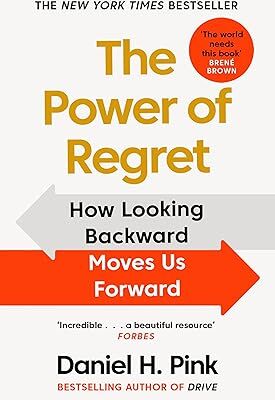
Canongate Books The Power of Regret: How Looking Backward Moves Us Forward by Daniel H. Pink - Paperback Non-Fiction Self-Help Book - AdultDiscover how looking backward can move us forward with 'The Power of Regret' by Daniel H. Pink. This brand new paperback, published by Canongate Books, draws on Pink's World Regret Survey to reveal the value of regret in making smarter decisions, improving performance, and living with greater purpose. Named a Financial Times Best Book of the Year 2022, it's a standout addition to any non-fiction shelf. The book explores how everybody has regrets and argues that they deserve more credit than they usually get. With accessible, research-driven content and real stories, it's a thought-provoking read that will help you understand the role of regret in your life.2,99 £*Shipping: 2,99 £Secure redirect to the provider
-
Canelo James Blake Thrillers by Seb Kirby - 3 Book Collection Set (Take No More, Regret No More, Forgive No More) - Crime Thriller Paperback - Adult FictionThe James Blake Thrillers is a fast-paced crime and conspiracy series from Seb Kirby, following art-world investigator James Blake across Europe and America as he uncovers deadly secrets, corruption and betrayal. This paperback set brings together all three books in the series - Take No More, Regret No More and Forgive No More - perfect for thriller fans who love globe-trotting plots, high stakes and twisting conspiracies from first page to last. In Take No More, James Blake discovers his wife murdered in their London home and, as the prime suspect, flees to Florence and Venice, uncovering a shadowy underworld tied to a lost fortune. Regret No More finds Blake and his family in hiding until a phone call reveals their location, and they must navigate a complex web of deceit and betrayal to stay one step ahead of their pursuers. Forgive No More concludes the series with a thrilling showdown between Blake and his enemies, as he fights to clear his name and bring justice to those responsible for his wife's murder. Published by Canelo, this collection is a must-read for fans of crime fiction and conspiracy thrillers.13,99 £*Shipping: 2,99 £Secure redirect to the provider

-
'aus?' translates to 'out?' in English.
''aus?'' is a German word that translates to ''out?'' in English. It is commonly used to inquire if someone is leaving or going out of a place. The question mark at the end indicates that it is a question. **
-
'Fragt' translates to 'ask' in English.
In German, the word 'fragt' translates to 'ask' in English. It is the imperative form of the verb 'fragen,' which means 'to ask.' So, 'fragt' is used to give a command or request for someone to ask a question or inquire about something. For example, "Fragt ihn, ob er heute Abend kommen kann" translates to "Ask him if he can come tonight." **
-
'kann?' translates to 'can?' in English.
Yes, "kann?" translates to "can?" in English. It is a simple question in both languages that is used to inquire about someone's ability or permission to do something. The word "kann" is the conjugated form of the German verb "können," which means "to be able to" or "can." Similarly, "can" is the modal verb in English used to express ability or permission. **
-
'besteht?' translates to 'exists?' in English.
"Besteht?" translates to "exists?" in English. This question is used to inquire about the presence or existence of something. It is often used to confirm whether something is real or present in a particular situation. For example, "Besteht dieses Problem?" translates to "Does this problem exist?" **
'sieht?' translates to 'looks?' in English.
''Sieht?'' is a question in German that translates to ''looks?'' in English. It is often used to inquire about the appearance or visual perception of something. This question prompts the listener to provide their opinion or observation regarding what they see. **
'dunklen?' translates to 'dark?' in English.
Yes, "dunklen?" translates to "dark?" in English. The word "dunklen" is the accusative form of the adjective "dunkel" in German, and it is used to inquire about the darkness of something. In English, the question mark at the end indicates that the speaker is asking if something is dark or if a situation is unclear or mysterious. **
Top-Angebote
Products related to Translates:
-
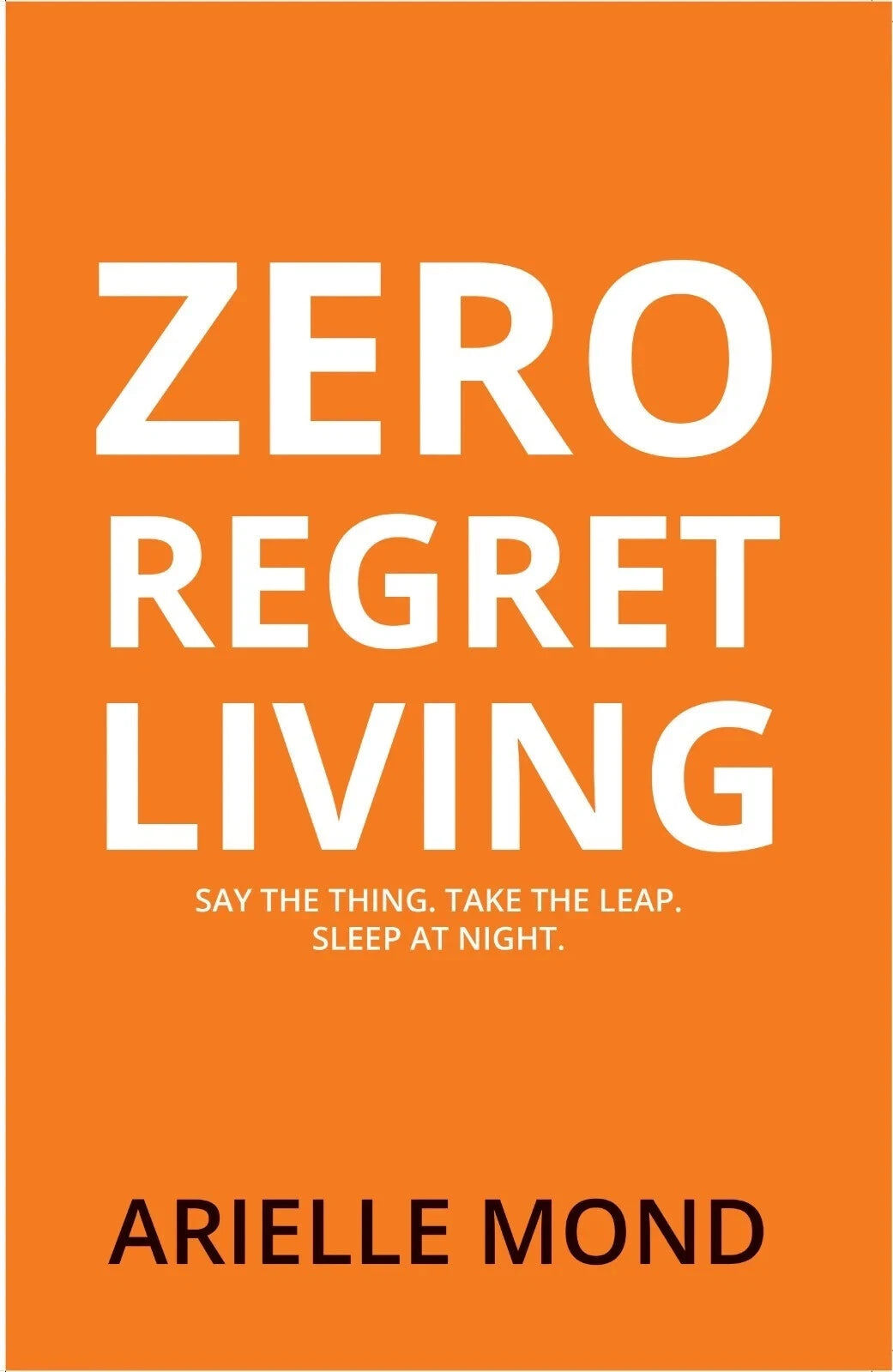
Rupa Publications Zero Regret Living: Say the Thing, Take the Leap, Sleep at Night by Arielle Mond - Paperback Self-Help Guide to Braver, Regret-Free LivingDiscover a bold and practical guide to living a life of purposeful choices and honest conversations. 'Zero Regret Living' by Arielle Mond offers a direct exploration of the quiet regrets that shadow everyday life, including missed opportunities, unspoken truths, and hesitant steps left untaken. With a warm and urgent tone, Mond blends honest storytelling with practical coaching to create a journey that resonates with readers at any stage of life. This book examines self-doubt and fear, providing actionable exercises to help you build a life of fulfillment and intention.2,99 £*Shipping: 2,99 £Secure redirect to the provider
-
Headline Martina Cole 8 Books Collection Set - The Know, Get Even, No Regret, Faceless, Guilty, Loyalty, Betrayal, Dangerous Lady - Crime Fiction Paperback - AdultStep into London's unforgiving gangland underworld with this collection of eight gripping crime thrillers from Martina Cole, Britain's undisputed Queen of Crime. Published by Headline, this brand-new paperback set includes the career-defining debut Dangerous Lady, along with the explosive titles Faceless, Betrayal, Loyalty, Guilty, The Know, Get Even, No Regret, and more. Each novel delivers Cole's trademark mix of violence, loyalty, betrayal, and unforgettable women fighting to survive in a man's world. This eight-book collection brings together some of Martina Cole's most acclaimed gangland thrillers, spanning her career from the 1992 sensation Dangerous Lady through to more recent bestsellers. Dangerous Lady introduces Maura Ryan, who refuses to be underestimated by London's hardest criminals.28,99 £*Shipping: 2,99 £Secure redirect to the provider
-
Canongate Books The Power of Regret: How Looking Backward Moves Us Forward by Daniel H. Pink - Paperback Non-Fiction Self-Help Book - AdultDiscover how looking backward can move us forward with 'The Power of Regret' by Daniel H. Pink. This brand new paperback, published by Canongate Books, draws on Pink's World Regret Survey to reveal the value of regret in making smarter decisions, improving performance, and living with greater purpose. Named a Financial Times Best Book of the Year 2022, it's a standout addition to any non-fiction shelf. The book explores how everybody has regrets and argues that they deserve more credit than they usually get. With accessible, research-driven content and real stories, it's a thought-provoking read that will help you understand the role of regret in your life.2,99 £*Shipping: 2,99 £Secure redirect to the provider
-
Canelo James Blake Thrillers by Seb Kirby - 3 Book Collection Set (Take No More, Regret No More, Forgive No More) - Crime Thriller Paperback - Adult FictionThe James Blake Thrillers is a fast-paced crime and conspiracy series from Seb Kirby, following art-world investigator James Blake across Europe and America as he uncovers deadly secrets, corruption and betrayal. This paperback set brings together all three books in the series - Take No More, Regret No More and Forgive No More - perfect for thriller fans who love globe-trotting plots, high stakes and twisting conspiracies from first page to last. In Take No More, James Blake discovers his wife murdered in their London home and, as the prime suspect, flees to Florence and Venice, uncovering a shadowy underworld tied to a lost fortune. Regret No More finds Blake and his family in hiding until a phone call reveals their location, and they must navigate a complex web of deceit and betrayal to stay one step ahead of their pursuers. Forgive No More concludes the series with a thrilling showdown between Blake and his enemies, as he fights to clear his name and bring justice to those responsible for his wife's murder. Published by Canelo, this collection is a must-read for fans of crime fiction and conspiracy thrillers.13,99 £*Shipping: 2,99 £Secure redirect to the provider
-
What is the difference between forgiveness and repentance?
Forgiveness is the act of letting go of anger, resentment, or the desire for revenge towards someone who has wronged you. It involves releasing the negative feelings and choosing to move forward without holding onto the hurt. Repentance, on the other hand, is the act of acknowledging one's wrongdoing, feeling remorse for it, and making a genuine effort to change and make amends. It involves taking responsibility for one's actions and seeking to make things right. In essence, forgiveness is about letting go of the hurt, while repentance is about acknowledging and seeking to rectify the hurtful actions. **
-
'kommt?' translates to 'coming?' in English.
"Kommt?" is a question in German that translates to "coming?" in English. It is used to inquire about someone's arrival or presence at a certain place or event. The question is often used to confirm if someone is on their way or if they plan to attend a specific location or gathering. **
-
'aus?' translates to 'out?' in English.
''aus?'' is a German word that translates to ''out?'' in English. It is commonly used to inquire if someone is leaving or going out of a place. The question mark at the end indicates that it is a question. **
-
'Fragt' translates to 'ask' in English.
In German, the word 'fragt' translates to 'ask' in English. It is the imperative form of the verb 'fragen,' which means 'to ask.' So, 'fragt' is used to give a command or request for someone to ask a question or inquire about something. For example, "Fragt ihn, ob er heute Abend kommen kann" translates to "Ask him if he can come tonight." **
Similar search terms for Translates
-
'kann?' translates to 'can?' in English.
Yes, "kann?" translates to "can?" in English. It is a simple question in both languages that is used to inquire about someone's ability or permission to do something. The word "kann" is the conjugated form of the German verb "können," which means "to be able to" or "can." Similarly, "can" is the modal verb in English used to express ability or permission. **
-
'besteht?' translates to 'exists?' in English.
"Besteht?" translates to "exists?" in English. This question is used to inquire about the presence or existence of something. It is often used to confirm whether something is real or present in a particular situation. For example, "Besteht dieses Problem?" translates to "Does this problem exist?" **
-
'sieht?' translates to 'looks?' in English.
''Sieht?'' is a question in German that translates to ''looks?'' in English. It is often used to inquire about the appearance or visual perception of something. This question prompts the listener to provide their opinion or observation regarding what they see. **
-
'dunklen?' translates to 'dark?' in English.
Yes, "dunklen?" translates to "dark?" in English. The word "dunklen" is the accusative form of the adjective "dunkel" in German, and it is used to inquire about the darkness of something. In English, the question mark at the end indicates that the speaker is asking if something is dark or if a situation is unclear or mysterious. **
* All prices are inclusive of VAT and, if applicable, plus shipping costs. The offer information is based on the details provided by the respective shop and is updated through automated processes. Real-time updates do not occur, so deviations can occur in individual cases. ** Note: Parts of this content were created by AI.