Buy 謝罪.com ?
We are moving the project
謝罪.com .
Are you interested in purchasing the domain
謝罪.com ?
domain@kv-gmbh.de · 0541-91531010
Buy 謝罪.com ?
What is a receptor molecule?
A receptor molecule is a protein located on the surface of a cell that binds to specific signaling molecules, such as hormones or neurotransmitters. When the signaling molecule binds to the receptor, it triggers a cellular response, such as a change in gene expression or activation of a signaling pathway. Receptor molecules are crucial for communication between cells and for coordinating various physiological processes within the body. **
Can you explain the receptor potential?
The receptor potential is a change in membrane potential that occurs in sensory receptor cells in response to a stimulus. When a stimulus such as light, sound, or touch activates a sensory receptor, it causes ion channels in the cell membrane to open or close, leading to a change in membrane potential. This change in membrane potential triggers the generation of action potentials, which are then transmitted to the central nervous system for processing and interpretation. The receptor potential serves as the initial step in converting a sensory stimulus into an electrical signal that can be transmitted to the brain for perception. **
Similar search terms for Receptor
Top-Angebote
Products related to Receptor:
-
Canelo James Blake Thrillers by Seb Kirby - 3 Book Collection Set (Take No More, Regret No More, Forgive No More) - Crime Thriller Paperback - Adult FictionThe James Blake Thrillers is a fast-paced crime and conspiracy series from Seb Kirby, following art-world investigator James Blake across Europe and America as he uncovers deadly secrets, corruption and betrayal. This paperback set brings together all three books in the series - Take No More, Regret No More and Forgive No More - perfect for thriller fans who love globe-trotting plots, high stakes and twisting conspiracies from first page to last. In Take No More, James Blake discovers his wife murdered in their London home and, as the prime suspect, flees to Florence and Venice, uncovering a shadowy underworld tied to a lost fortune. Regret No More finds Blake and his family in hiding until a phone call reveals their location, and they must navigate a complex web of deceit and betrayal to stay one step ahead of their pursuers. Forgive No More concludes the series with a thrilling showdown between Blake and his enemies, as he fights to clear his name and bring justice to those responsible for his wife's murder. Published by Canelo, this collection is a must-read for fans of crime fiction and conspiracy thrillers.13,99 £*Shipping: 2,99 £Secure redirect to the provider

-
Are regulator and activator proteins also hormone receptor complexes?
Regulator and activator proteins are not the same as hormone receptor complexes, although they may interact with hormone receptor complexes to modulate their activity. Hormone receptor complexes are specific proteins that bind to hormones and initiate a cellular response, while regulator and activator proteins are involved in regulating the activity of these hormone receptor complexes. Regulator and activator proteins can enhance or inhibit the activity of hormone receptor complexes, but they are not themselves hormone receptor complexes. **
-
Why does the receptor potential decrease towards the axon hillock?
The receptor potential decreases towards the axon hillock because the axon hillock acts as a site of integration for incoming signals from various receptors. As the receptor potential travels towards the axon hillock, it undergoes summation with other incoming signals. This integration process helps determine whether an action potential will be generated and propagated down the axon. The decrease in receptor potential towards the axon hillock is crucial for the neuron to make decisions about whether to transmit the signal further. **
-
What happens when the receptor potential reaches the central nervous system?
When the receptor potential reaches the central nervous system, it triggers the generation of action potentials in sensory neurons. These action potentials travel along the sensory neurons to the brain, where they are processed and interpreted. The brain then generates a response or perception based on the information received from the receptor potential. This process allows us to sense and respond to various stimuli in our environment. **
-
What is the difference between a receptor and an action potential?
A receptor is a specialized protein molecule that can detect specific signals or stimuli from the environment and initiate a response. On the other hand, an action potential is a brief electrical signal that travels along the membrane of a neuron or muscle cell, allowing for communication between different parts of the body. In summary, receptors detect signals, while action potentials are the electrical signals that transmit information within the body. **
How is a receptor potential generated based on the ion theory?
A receptor potential is generated based on the ion theory through the activation of ion channels in response to a stimulus. When a stimulus is detected by a sensory receptor, it causes ion channels in the receptor membrane to open or close, allowing specific ions to flow into or out of the cell. This movement of ions creates a change in the membrane potential, known as the receptor potential. The magnitude of the receptor potential is directly related to the strength of the stimulus, with stronger stimuli leading to larger changes in membrane potential. **
What is the effect of barbiturates on the GABA-A receptor?
Barbiturates enhance the inhibitory effects of the neurotransmitter GABA on the GABA-A receptor. They bind to a specific site on the receptor and increase the duration of the chloride channel opening, leading to hyperpolarization of the neuron and inhibition of neuronal activity. This results in sedative, hypnotic, and anxiolytic effects, making barbiturates commonly used as central nervous system depressants. Prolonged use of barbiturates can lead to tolerance, dependence, and potentially dangerous withdrawal symptoms. **
Top-Angebote
Products related to Receptor:
-
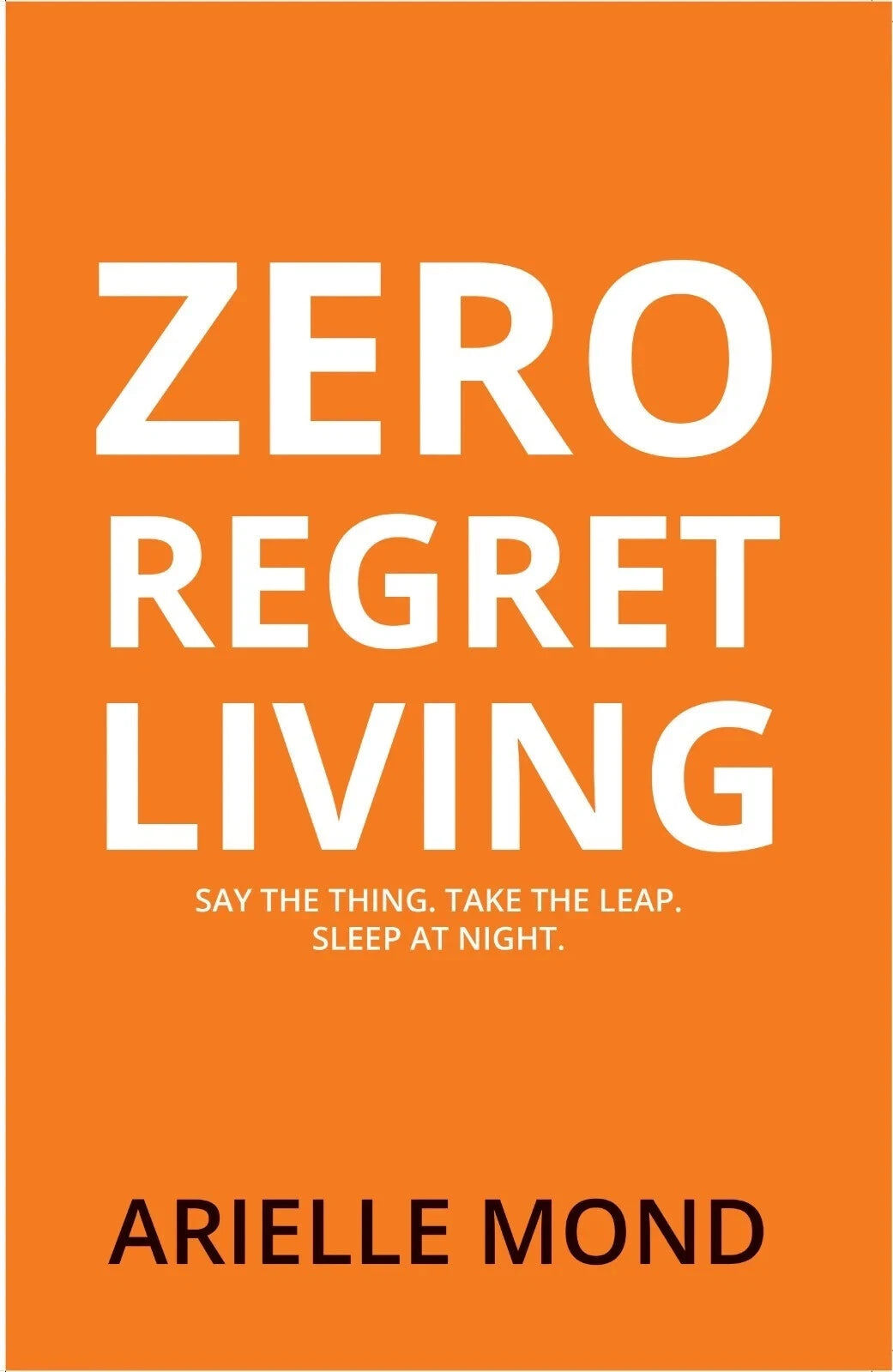
Rupa Publications Zero Regret Living: Say the Thing, Take the Leap, Sleep at Night by Arielle Mond - Paperback Self-Help Guide to Braver, Regret-Free LivingDiscover a bold and practical guide to living a life of purposeful choices and honest conversations. 'Zero Regret Living' by Arielle Mond offers a direct exploration of the quiet regrets that shadow everyday life, including missed opportunities, unspoken truths, and hesitant steps left untaken. With a warm and urgent tone, Mond blends honest storytelling with practical coaching to create a journey that resonates with readers at any stage of life. This book examines self-doubt and fear, providing actionable exercises to help you build a life of fulfillment and intention.2,99 £*Shipping: 2,99 £Secure redirect to the provider
-
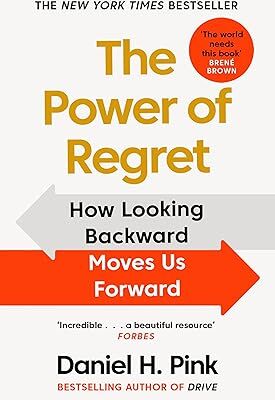
Canongate Books The Power of Regret: How Looking Backward Moves Us Forward by Daniel H. Pink - Paperback Non-Fiction Self-Help Book - AdultDiscover how looking backward can move us forward with 'The Power of Regret' by Daniel H. Pink. This brand new paperback, published by Canongate Books, draws on Pink's World Regret Survey to reveal the value of regret in making smarter decisions, improving performance, and living with greater purpose. Named a Financial Times Best Book of the Year 2022, it's a standout addition to any non-fiction shelf. The book explores how everybody has regrets and argues that they deserve more credit than they usually get. With accessible, research-driven content and real stories, it's a thought-provoking read that will help you understand the role of regret in your life.2,99 £*Shipping: 2,99 £Secure redirect to the provider
-
Canelo James Blake Thrillers by Seb Kirby - 3 Book Collection Set (Take No More, Regret No More, Forgive No More) - Crime Thriller Paperback - Adult FictionThe James Blake Thrillers is a fast-paced crime and conspiracy series from Seb Kirby, following art-world investigator James Blake across Europe and America as he uncovers deadly secrets, corruption and betrayal. This paperback set brings together all three books in the series - Take No More, Regret No More and Forgive No More - perfect for thriller fans who love globe-trotting plots, high stakes and twisting conspiracies from first page to last. In Take No More, James Blake discovers his wife murdered in their London home and, as the prime suspect, flees to Florence and Venice, uncovering a shadowy underworld tied to a lost fortune. Regret No More finds Blake and his family in hiding until a phone call reveals their location, and they must navigate a complex web of deceit and betrayal to stay one step ahead of their pursuers. Forgive No More concludes the series with a thrilling showdown between Blake and his enemies, as he fights to clear his name and bring justice to those responsible for his wife's murder. Published by Canelo, this collection is a must-read for fans of crime fiction and conspiracy thrillers.13,99 £*Shipping: 2,99 £Secure redirect to the provider
-
What is a receptor molecule?
A receptor molecule is a protein located on the surface of a cell that binds to specific signaling molecules, such as hormones or neurotransmitters. When the signaling molecule binds to the receptor, it triggers a cellular response, such as a change in gene expression or activation of a signaling pathway. Receptor molecules are crucial for communication between cells and for coordinating various physiological processes within the body. **
-
Can you explain the receptor potential?
The receptor potential is a change in membrane potential that occurs in sensory receptor cells in response to a stimulus. When a stimulus such as light, sound, or touch activates a sensory receptor, it causes ion channels in the cell membrane to open or close, leading to a change in membrane potential. This change in membrane potential triggers the generation of action potentials, which are then transmitted to the central nervous system for processing and interpretation. The receptor potential serves as the initial step in converting a sensory stimulus into an electrical signal that can be transmitted to the brain for perception. **
-
Are regulator and activator proteins also hormone receptor complexes?
Regulator and activator proteins are not the same as hormone receptor complexes, although they may interact with hormone receptor complexes to modulate their activity. Hormone receptor complexes are specific proteins that bind to hormones and initiate a cellular response, while regulator and activator proteins are involved in regulating the activity of these hormone receptor complexes. Regulator and activator proteins can enhance or inhibit the activity of hormone receptor complexes, but they are not themselves hormone receptor complexes. **
-
Why does the receptor potential decrease towards the axon hillock?
The receptor potential decreases towards the axon hillock because the axon hillock acts as a site of integration for incoming signals from various receptors. As the receptor potential travels towards the axon hillock, it undergoes summation with other incoming signals. This integration process helps determine whether an action potential will be generated and propagated down the axon. The decrease in receptor potential towards the axon hillock is crucial for the neuron to make decisions about whether to transmit the signal further. **
Similar search terms for Receptor
-
What happens when the receptor potential reaches the central nervous system?
When the receptor potential reaches the central nervous system, it triggers the generation of action potentials in sensory neurons. These action potentials travel along the sensory neurons to the brain, where they are processed and interpreted. The brain then generates a response or perception based on the information received from the receptor potential. This process allows us to sense and respond to various stimuli in our environment. **
-
What is the difference between a receptor and an action potential?
A receptor is a specialized protein molecule that can detect specific signals or stimuli from the environment and initiate a response. On the other hand, an action potential is a brief electrical signal that travels along the membrane of a neuron or muscle cell, allowing for communication between different parts of the body. In summary, receptors detect signals, while action potentials are the electrical signals that transmit information within the body. **
-
How is a receptor potential generated based on the ion theory?
A receptor potential is generated based on the ion theory through the activation of ion channels in response to a stimulus. When a stimulus is detected by a sensory receptor, it causes ion channels in the receptor membrane to open or close, allowing specific ions to flow into or out of the cell. This movement of ions creates a change in the membrane potential, known as the receptor potential. The magnitude of the receptor potential is directly related to the strength of the stimulus, with stronger stimuli leading to larger changes in membrane potential. **
-
What is the effect of barbiturates on the GABA-A receptor?
Barbiturates enhance the inhibitory effects of the neurotransmitter GABA on the GABA-A receptor. They bind to a specific site on the receptor and increase the duration of the chloride channel opening, leading to hyperpolarization of the neuron and inhibition of neuronal activity. This results in sedative, hypnotic, and anxiolytic effects, making barbiturates commonly used as central nervous system depressants. Prolonged use of barbiturates can lead to tolerance, dependence, and potentially dangerous withdrawal symptoms. **
* All prices are inclusive of VAT and, if applicable, plus shipping costs. The offer information is based on the details provided by the respective shop and is updated through automated processes. Real-time updates do not occur, so deviations can occur in individual cases. ** Note: Parts of this content were created by AI.