Buy 謝罪.com ?
We are moving the project
謝罪.com .
Are you interested in purchasing the domain
謝罪.com ?
domain@kv-gmbh.de · 0541-91531010
Buy 謝罪.com ?
When does the machine switch states to generate pulses?
The machine switches states to generate pulses when it receives a signal or command to do so. This signal could come from a control system, a timer, or a sensor detecting a specific condition. Once the machine receives the signal, it transitions to the pulse-generating state and begins producing the desired pulses according to its programmed parameters. **
How do amplifier outputs for AC and DC pulses differ?
Amplifier outputs for AC and DC pulses differ in terms of their waveform and frequency. AC pulses have varying voltage levels that change direction periodically, while DC pulses have a constant voltage level with no change in direction. Additionally, AC pulses have a frequency associated with the oscillation of the waveform, whereas DC pulses have a frequency of zero since the voltage remains constant. Amplifiers designed for AC pulses typically have a wider frequency response range compared to those designed for DC pulses. **
Similar search terms for Pulses
Top-Angebote
Products related to Pulses:
-
Canelo James Blake Thrillers by Seb Kirby - 3 Book Collection Set (Take No More, Regret No More, Forgive No More) - Crime Thriller Paperback - Adult FictionThe James Blake Thrillers is a fast-paced crime and conspiracy series from Seb Kirby, following art-world investigator James Blake across Europe and America as he uncovers deadly secrets, corruption and betrayal. This paperback set brings together all three books in the series - Take No More, Regret No More and Forgive No More - perfect for thriller fans who love globe-trotting plots, high stakes and twisting conspiracies from first page to last. In Take No More, James Blake discovers his wife murdered in their London home and, as the prime suspect, flees to Florence and Venice, uncovering a shadowy underworld tied to a lost fortune. Regret No More finds Blake and his family in hiding until a phone call reveals their location, and they must navigate a complex web of deceit and betrayal to stay one step ahead of their pursuers. Forgive No More concludes the series with a thrilling showdown between Blake and his enemies, as he fights to clear his name and bring justice to those responsible for his wife's murder. Published by Canelo, this collection is a must-read for fans of crime fiction and conspiracy thrillers.13,99 £*Shipping: 2,99 £Secure redirect to the provider

-
How can the button signal be converted into consistently short pulses?
The button signal can be converted into consistently short pulses using a technique called debouncing. Debouncing involves adding a small delay to the signal to filter out any noise or bouncing that may occur when the button is pressed. This delay ensures that the signal is stable before being converted into short pulses. Additionally, a hardware or software-based timer can be used to generate consistent short pulses from the debounced signal, ensuring that the pulses are of a consistent duration regardless of the button press duration. **
-
How do amplifier outputs differ for alternating current and direct current pulses?
Amplifier outputs for alternating current (AC) pulses will vary in amplitude and direction over time, as the current flow alternates between positive and negative cycles. In contrast, amplifier outputs for direct current (DC) pulses will remain constant in amplitude and direction, as the current flow is unidirectional. Therefore, the output of an amplifier will show different characteristics depending on whether it is amplifying AC or DC pulses. **
-
How does the frequency of the pulses determine the strength of the stimulus?
The frequency of the pulses determines the strength of the stimulus by affecting the rate at which the neurons are activated. A higher frequency of pulses will result in more frequent activation of the neurons, leading to a stronger overall signal being sent to the brain. This can result in a more intense perception of the stimulus. Conversely, a lower frequency of pulses will result in less frequent activation of the neurons, leading to a weaker overall signal being sent to the brain and a less intense perception of the stimulus. **
-
What is the difference between forgiveness and repentance?
Forgiveness is the act of letting go of anger, resentment, or the desire for revenge towards someone who has wronged you. It involves releasing the negative feelings and choosing to move forward without holding onto the hurt. Repentance, on the other hand, is the act of acknowledging one's wrongdoing, feeling remorse for it, and making a genuine effort to change and make amends. It involves taking responsibility for one's actions and seeking to make things right. In essence, forgiveness is about letting go of the hurt, while repentance is about acknowledging and seeking to rectify the hurtful actions. **
How can one attain forgiveness and repentance in Islam?
In Islam, forgiveness and repentance can be attained through sincere remorse for one's actions, seeking forgiveness from Allah, and making a commitment to change one's behavior. Repentance involves acknowledging one's mistakes, feeling genuine regret, and resolving not to repeat the sinful behavior. Seeking forgiveness from Allah through prayer, supplication, and asking for His mercy is also an important part of the process. Additionally, seeking forgiveness from those who have been wronged and making amends for any harm caused is also encouraged in Islam. Ultimately, attaining forgiveness and repentance in Islam requires a genuine and sincere effort to turn away from sin and seek Allah's mercy and forgiveness. **
What is the difference between forgiveness, apology, and I'm sorry?
Forgiveness is the act of letting go of resentment and anger towards someone who has wronged you. It is a conscious decision to release negative feelings and move forward without holding a grudge. An apology is a formal acknowledgment of a mistake or wrongdoing, expressing regret and taking responsibility for the actions that caused harm. "I'm sorry" is a more informal way of expressing regret or remorse for a mistake or causing harm, often used in everyday interactions. While an apology and "I'm sorry" are expressions of regret, forgiveness is the act of letting go of negative feelings and choosing to move forward. **
Top-Angebote
Products related to Pulses:
-
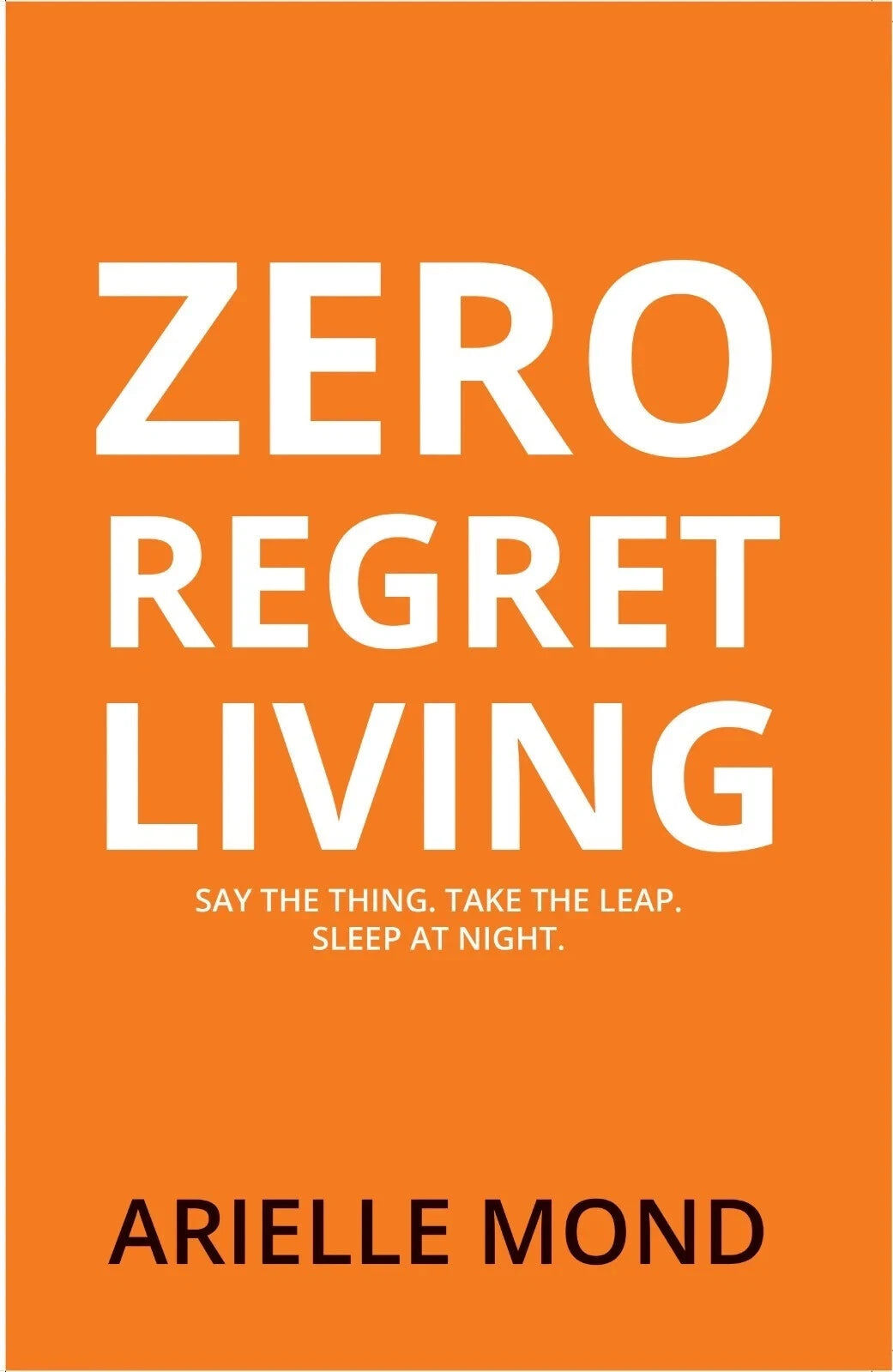
Rupa Publications Zero Regret Living: Say the Thing, Take the Leap, Sleep at Night by Arielle Mond - Paperback Self-Help Guide to Braver, Regret-Free LivingDiscover a bold and practical guide to living a life of purposeful choices and honest conversations. 'Zero Regret Living' by Arielle Mond offers a direct exploration of the quiet regrets that shadow everyday life, including missed opportunities, unspoken truths, and hesitant steps left untaken. With a warm and urgent tone, Mond blends honest storytelling with practical coaching to create a journey that resonates with readers at any stage of life. This book examines self-doubt and fear, providing actionable exercises to help you build a life of fulfillment and intention.2,99 £*Shipping: 2,99 £Secure redirect to the provider
-
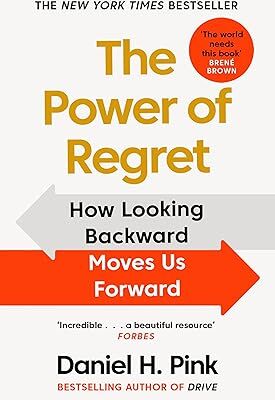
Canongate Books The Power of Regret: How Looking Backward Moves Us Forward by Daniel H. Pink - Paperback Non-Fiction Self-Help Book - AdultDiscover how looking backward can move us forward with 'The Power of Regret' by Daniel H. Pink. This brand new paperback, published by Canongate Books, draws on Pink's World Regret Survey to reveal the value of regret in making smarter decisions, improving performance, and living with greater purpose. Named a Financial Times Best Book of the Year 2022, it's a standout addition to any non-fiction shelf. The book explores how everybody has regrets and argues that they deserve more credit than they usually get. With accessible, research-driven content and real stories, it's a thought-provoking read that will help you understand the role of regret in your life.2,99 £*Shipping: 2,99 £Secure redirect to the provider
-
Canelo James Blake Thrillers by Seb Kirby - 3 Book Collection Set (Take No More, Regret No More, Forgive No More) - Crime Thriller Paperback - Adult FictionThe James Blake Thrillers is a fast-paced crime and conspiracy series from Seb Kirby, following art-world investigator James Blake across Europe and America as he uncovers deadly secrets, corruption and betrayal. This paperback set brings together all three books in the series - Take No More, Regret No More and Forgive No More - perfect for thriller fans who love globe-trotting plots, high stakes and twisting conspiracies from first page to last. In Take No More, James Blake discovers his wife murdered in their London home and, as the prime suspect, flees to Florence and Venice, uncovering a shadowy underworld tied to a lost fortune. Regret No More finds Blake and his family in hiding until a phone call reveals their location, and they must navigate a complex web of deceit and betrayal to stay one step ahead of their pursuers. Forgive No More concludes the series with a thrilling showdown between Blake and his enemies, as he fights to clear his name and bring justice to those responsible for his wife's murder. Published by Canelo, this collection is a must-read for fans of crime fiction and conspiracy thrillers.13,99 £*Shipping: 2,99 £Secure redirect to the provider
-
When does the machine switch states to generate pulses?
The machine switches states to generate pulses when it receives a signal or command to do so. This signal could come from a control system, a timer, or a sensor detecting a specific condition. Once the machine receives the signal, it transitions to the pulse-generating state and begins producing the desired pulses according to its programmed parameters. **
-
How do amplifier outputs for AC and DC pulses differ?
Amplifier outputs for AC and DC pulses differ in terms of their waveform and frequency. AC pulses have varying voltage levels that change direction periodically, while DC pulses have a constant voltage level with no change in direction. Additionally, AC pulses have a frequency associated with the oscillation of the waveform, whereas DC pulses have a frequency of zero since the voltage remains constant. Amplifiers designed for AC pulses typically have a wider frequency response range compared to those designed for DC pulses. **
-
How can the button signal be converted into consistently short pulses?
The button signal can be converted into consistently short pulses using a technique called debouncing. Debouncing involves adding a small delay to the signal to filter out any noise or bouncing that may occur when the button is pressed. This delay ensures that the signal is stable before being converted into short pulses. Additionally, a hardware or software-based timer can be used to generate consistent short pulses from the debounced signal, ensuring that the pulses are of a consistent duration regardless of the button press duration. **
-
How do amplifier outputs differ for alternating current and direct current pulses?
Amplifier outputs for alternating current (AC) pulses will vary in amplitude and direction over time, as the current flow alternates between positive and negative cycles. In contrast, amplifier outputs for direct current (DC) pulses will remain constant in amplitude and direction, as the current flow is unidirectional. Therefore, the output of an amplifier will show different characteristics depending on whether it is amplifying AC or DC pulses. **
Similar search terms for Pulses
-
How does the frequency of the pulses determine the strength of the stimulus?
The frequency of the pulses determines the strength of the stimulus by affecting the rate at which the neurons are activated. A higher frequency of pulses will result in more frequent activation of the neurons, leading to a stronger overall signal being sent to the brain. This can result in a more intense perception of the stimulus. Conversely, a lower frequency of pulses will result in less frequent activation of the neurons, leading to a weaker overall signal being sent to the brain and a less intense perception of the stimulus. **
-
What is the difference between forgiveness and repentance?
Forgiveness is the act of letting go of anger, resentment, or the desire for revenge towards someone who has wronged you. It involves releasing the negative feelings and choosing to move forward without holding onto the hurt. Repentance, on the other hand, is the act of acknowledging one's wrongdoing, feeling remorse for it, and making a genuine effort to change and make amends. It involves taking responsibility for one's actions and seeking to make things right. In essence, forgiveness is about letting go of the hurt, while repentance is about acknowledging and seeking to rectify the hurtful actions. **
-
How can one attain forgiveness and repentance in Islam?
In Islam, forgiveness and repentance can be attained through sincere remorse for one's actions, seeking forgiveness from Allah, and making a commitment to change one's behavior. Repentance involves acknowledging one's mistakes, feeling genuine regret, and resolving not to repeat the sinful behavior. Seeking forgiveness from Allah through prayer, supplication, and asking for His mercy is also an important part of the process. Additionally, seeking forgiveness from those who have been wronged and making amends for any harm caused is also encouraged in Islam. Ultimately, attaining forgiveness and repentance in Islam requires a genuine and sincere effort to turn away from sin and seek Allah's mercy and forgiveness. **
-
What is the difference between forgiveness, apology, and I'm sorry?
Forgiveness is the act of letting go of resentment and anger towards someone who has wronged you. It is a conscious decision to release negative feelings and move forward without holding a grudge. An apology is a formal acknowledgment of a mistake or wrongdoing, expressing regret and taking responsibility for the actions that caused harm. "I'm sorry" is a more informal way of expressing regret or remorse for a mistake or causing harm, often used in everyday interactions. While an apology and "I'm sorry" are expressions of regret, forgiveness is the act of letting go of negative feelings and choosing to move forward. **
* All prices are inclusive of VAT and, if applicable, plus shipping costs. The offer information is based on the details provided by the respective shop and is updated through automated processes. Real-time updates do not occur, so deviations can occur in individual cases. ** Note: Parts of this content were created by AI.