Buy 謝罪.com ?
We are moving the project
謝罪.com .
Are you interested in purchasing the domain
謝罪.com ?
domain@kv-gmbh.de · 0541-91531010
Buy 謝罪.com ?
What is the imperative?
The imperative is a verb form used to give commands, make requests, or offer advice. It is typically used to communicate directly with someone and tell them what to do. The imperative form does not include a subject pronoun, as it is implied by the context of the sentence. It is a straightforward and direct way of expressing instructions or suggestions. **
With which pronouns does the affirmative imperative differ from the negative imperative?
The affirmative imperative in Spanish uses the same pronouns as the indicative mood, while the negative imperative uses the same pronouns as the subjunctive mood. For example, the affirmative imperative for "hablar" (to speak) is "habla" (you speak), using the pronoun "tú," while the negative imperative is "no hables" (don't speak), using the pronoun "tú" as well. However, in the negative imperative, the pronoun "tú" is often omitted, so it would be more common to hear "no hables" instead of "no hables tú." **

Similar search terms for Imperative
Top-Angebote
Products related to Imperative:
-
Canelo James Blake Thrillers by Seb Kirby - 3 Book Collection Set (Take No More, Regret No More, Forgive No More) - Crime Thriller Paperback - Adult FictionThe James Blake Thrillers is a fast-paced crime and conspiracy series from Seb Kirby, following art-world investigator James Blake across Europe and America as he uncovers deadly secrets, corruption and betrayal. This paperback set brings together all three books in the series - Take No More, Regret No More and Forgive No More - perfect for thriller fans who love globe-trotting plots, high stakes and twisting conspiracies from first page to last. In Take No More, James Blake discovers his wife murdered in their London home and, as the prime suspect, flees to Florence and Venice, uncovering a shadowy underworld tied to a lost fortune. Regret No More finds Blake and his family in hiding until a phone call reveals their location, and they must navigate a complex web of deceit and betrayal to stay one step ahead of their pursuers. Forgive No More concludes the series with a thrilling showdown between Blake and his enemies, as he fights to clear his name and bring justice to those responsible for his wife's murder. Published by Canelo, this collection is a must-read for fans of crime fiction and conspiracy thrillers.13,99 £*Shipping: 2,99 £Secure redirect to the provider

-
What is the affirmative imperative with negation and the affirmative imperative with pronouns?
The affirmative imperative with negation is used to give a negative command or request. For example, "Don't eat that!" The affirmative imperative with pronouns is used to give a command or request to a specific person or group. For example, "You, come here!" or "You all, be quiet!" Both forms of imperative are used to give direct instructions or orders. **
-
What is the difference between Kant's categorical imperative and Hans Jonas' new imperative?
Kant's categorical imperative is based on the idea that one should act according to a principle that could be universally applied to all rational beings. It emphasizes the importance of moral duty and the inherent value of rational beings. On the other hand, Hans Jonas' new imperative is based on the idea of responsibility towards future generations and the environment. It emphasizes the need to consider the long-term consequences of our actions and to prioritize the well-being of future generations and the natural world. While Kant's categorical imperative focuses on the universality of moral principles, Jonas' new imperative emphasizes the ethical implications of our actions on the future. **
-
Is the categorical imperative rigorous?
Yes, the categorical imperative is considered to be rigorous because it provides a clear and universal moral principle that applies to all rational beings. It demands that individuals act according to principles that could be willed as universal laws, and it requires individuals to treat others as ends in themselves, rather than as means to an end. This rigorous framework helps to guide moral decision-making and promote ethical behavior. **
-
What are indicative and imperative?
Indicative and imperative are two different types of verb moods in grammar. The indicative mood is used to make statements or ask questions, expressing facts or opinions. On the other hand, the imperative mood is used to give commands or make requests. In essence, indicative is used for stating what is happening or what has happened, while imperative is used for giving instructions or orders. **
Should imperative be in German?
Yes, imperative is an important aspect of the German language as it is used to give commands, make requests, or offer advice. Learning how to use the imperative form correctly is essential for effective communication in German. Additionally, using imperative can help convey a sense of urgency or directness in speech or writing. Therefore, mastering the imperative form is crucial for anyone looking to become proficient in German. **
What is Kant's categorical imperative?
Kant's categorical imperative is a moral principle that states that one should act only according to rules that they would be willing to see universally followed. In other words, it is a command that applies to all rational beings, regardless of their personal desires or circumstances. Kant believed that this principle provides a basis for determining what is morally right or wrong, as it focuses on the intention behind an action rather than the consequences. Ultimately, the categorical imperative serves as a guide for individuals to act in a way that respects the inherent dignity and autonomy of all individuals. **
Top-Angebote
Products related to Imperative:
-
Rupa Publications Zero Regret Living: Say the Thing, Take the Leap, Sleep at Night by Arielle Mond - Paperback Self-Help Guide to Braver, Regret-Free LivingDiscover a bold and practical guide to living a life of purposeful choices and honest conversations. 'Zero Regret Living' by Arielle Mond offers a direct exploration of the quiet regrets that shadow everyday life, including missed opportunities, unspoken truths, and hesitant steps left untaken. With a warm and urgent tone, Mond blends honest storytelling with practical coaching to create a journey that resonates with readers at any stage of life. This book examines self-doubt and fear, providing actionable exercises to help you build a life of fulfillment and intention.2,99 £*Shipping: 2,99 £Secure redirect to the provider
-
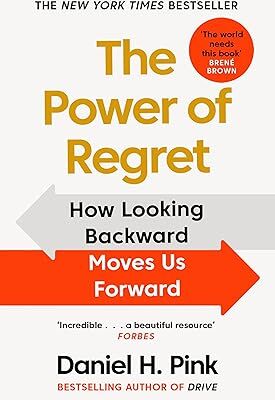
Canongate Books The Power of Regret: How Looking Backward Moves Us Forward by Daniel H. Pink - Paperback Non-Fiction Self-Help Book - AdultDiscover how looking backward can move us forward with 'The Power of Regret' by Daniel H. Pink. This brand new paperback, published by Canongate Books, draws on Pink's World Regret Survey to reveal the value of regret in making smarter decisions, improving performance, and living with greater purpose. Named a Financial Times Best Book of the Year 2022, it's a standout addition to any non-fiction shelf. The book explores how everybody has regrets and argues that they deserve more credit than they usually get. With accessible, research-driven content and real stories, it's a thought-provoking read that will help you understand the role of regret in your life.2,99 £*Shipping: 2,99 £Secure redirect to the provider
-
Canelo James Blake Thrillers by Seb Kirby - 3 Book Collection Set (Take No More, Regret No More, Forgive No More) - Crime Thriller Paperback - Adult FictionThe James Blake Thrillers is a fast-paced crime and conspiracy series from Seb Kirby, following art-world investigator James Blake across Europe and America as he uncovers deadly secrets, corruption and betrayal. This paperback set brings together all three books in the series - Take No More, Regret No More and Forgive No More - perfect for thriller fans who love globe-trotting plots, high stakes and twisting conspiracies from first page to last. In Take No More, James Blake discovers his wife murdered in their London home and, as the prime suspect, flees to Florence and Venice, uncovering a shadowy underworld tied to a lost fortune. Regret No More finds Blake and his family in hiding until a phone call reveals their location, and they must navigate a complex web of deceit and betrayal to stay one step ahead of their pursuers. Forgive No More concludes the series with a thrilling showdown between Blake and his enemies, as he fights to clear his name and bring justice to those responsible for his wife's murder. Published by Canelo, this collection is a must-read for fans of crime fiction and conspiracy thrillers.13,99 £*Shipping: 2,99 £Secure redirect to the provider
-
What is the imperative?
The imperative is a verb form used to give commands, make requests, or offer advice. It is typically used to communicate directly with someone and tell them what to do. The imperative form does not include a subject pronoun, as it is implied by the context of the sentence. It is a straightforward and direct way of expressing instructions or suggestions. **
-
With which pronouns does the affirmative imperative differ from the negative imperative?
The affirmative imperative in Spanish uses the same pronouns as the indicative mood, while the negative imperative uses the same pronouns as the subjunctive mood. For example, the affirmative imperative for "hablar" (to speak) is "habla" (you speak), using the pronoun "tú," while the negative imperative is "no hables" (don't speak), using the pronoun "tú" as well. However, in the negative imperative, the pronoun "tú" is often omitted, so it would be more common to hear "no hables" instead of "no hables tú." **
-
What is the affirmative imperative with negation and the affirmative imperative with pronouns?
The affirmative imperative with negation is used to give a negative command or request. For example, "Don't eat that!" The affirmative imperative with pronouns is used to give a command or request to a specific person or group. For example, "You, come here!" or "You all, be quiet!" Both forms of imperative are used to give direct instructions or orders. **
-
What is the difference between Kant's categorical imperative and Hans Jonas' new imperative?
Kant's categorical imperative is based on the idea that one should act according to a principle that could be universally applied to all rational beings. It emphasizes the importance of moral duty and the inherent value of rational beings. On the other hand, Hans Jonas' new imperative is based on the idea of responsibility towards future generations and the environment. It emphasizes the need to consider the long-term consequences of our actions and to prioritize the well-being of future generations and the natural world. While Kant's categorical imperative focuses on the universality of moral principles, Jonas' new imperative emphasizes the ethical implications of our actions on the future. **
Similar search terms for Imperative
-
Is the categorical imperative rigorous?
Yes, the categorical imperative is considered to be rigorous because it provides a clear and universal moral principle that applies to all rational beings. It demands that individuals act according to principles that could be willed as universal laws, and it requires individuals to treat others as ends in themselves, rather than as means to an end. This rigorous framework helps to guide moral decision-making and promote ethical behavior. **
-
What are indicative and imperative?
Indicative and imperative are two different types of verb moods in grammar. The indicative mood is used to make statements or ask questions, expressing facts or opinions. On the other hand, the imperative mood is used to give commands or make requests. In essence, indicative is used for stating what is happening or what has happened, while imperative is used for giving instructions or orders. **
-
Should imperative be in German?
Yes, imperative is an important aspect of the German language as it is used to give commands, make requests, or offer advice. Learning how to use the imperative form correctly is essential for effective communication in German. Additionally, using imperative can help convey a sense of urgency or directness in speech or writing. Therefore, mastering the imperative form is crucial for anyone looking to become proficient in German. **
-
What is Kant's categorical imperative?
Kant's categorical imperative is a moral principle that states that one should act only according to rules that they would be willing to see universally followed. In other words, it is a command that applies to all rational beings, regardless of their personal desires or circumstances. Kant believed that this principle provides a basis for determining what is morally right or wrong, as it focuses on the intention behind an action rather than the consequences. Ultimately, the categorical imperative serves as a guide for individuals to act in a way that respects the inherent dignity and autonomy of all individuals. **
* All prices are inclusive of VAT and, if applicable, plus shipping costs. The offer information is based on the details provided by the respective shop and is updated through automated processes. Real-time updates do not occur, so deviations can occur in individual cases. ** Note: Parts of this content were created by AI.