Buy 謝罪.com ?
We are moving the project
謝罪.com .
Are you interested in purchasing the domain
謝罪.com ?
domain@kv-gmbh.de · 0541-91531010
Buy 謝罪.com ?
What is cultural heterogeneity?
Cultural heterogeneity refers to the presence of diverse cultural elements within a society or community. This diversity can manifest in various ways, such as through differences in language, religion, customs, traditions, and values. Cultural heterogeneity can result from historical migration patterns, globalization, and the coexistence of multiple ethnic or racial groups within a given area. Embracing and understanding cultural heterogeneity can lead to a more inclusive and enriched society, as it allows for the exchange of ideas and perspectives from different cultural backgrounds. **
What does the term 'economic heterogeneity' mean?
Economic heterogeneity refers to the diversity and variation in economic conditions, activities, and resources within a particular group, region, or society. It highlights the differences in income levels, wealth distribution, employment opportunities, and overall economic well-being among individuals or groups. This concept recognizes that not everyone has the same economic circumstances or opportunities, leading to disparities in economic outcomes and experiences. Understanding economic heterogeneity is important for policymakers and researchers to address inequalities and design targeted interventions to support those in need. **

Similar search terms for Heterogeneity
Top-Angebote
Products related to Heterogeneity:
-
Canelo James Blake Thrillers by Seb Kirby - 3 Book Collection Set (Take No More, Regret No More, Forgive No More) - Crime Thriller Paperback - Adult FictionThe James Blake Thrillers is a fast-paced crime and conspiracy series from Seb Kirby, following art-world investigator James Blake across Europe and America as he uncovers deadly secrets, corruption and betrayal. This paperback set brings together all three books in the series - Take No More, Regret No More and Forgive No More - perfect for thriller fans who love globe-trotting plots, high stakes and twisting conspiracies from first page to last. In Take No More, James Blake discovers his wife murdered in their London home and, as the prime suspect, flees to Florence and Venice, uncovering a shadowy underworld tied to a lost fortune. Regret No More finds Blake and his family in hiding until a phone call reveals their location, and they must navigate a complex web of deceit and betrayal to stay one step ahead of their pursuers. Forgive No More concludes the series with a thrilling showdown between Blake and his enemies, as he fights to clear his name and bring justice to those responsible for his wife's murder. Published by Canelo, this collection is a must-read for fans of crime fiction and conspiracy thrillers.13,99 £*Shipping: 2,99 £Secure redirect to the provider

-
What does the term economic heterogeneity mean?
Economic heterogeneity refers to the diversity and variation in economic conditions, resources, and activities within a particular region, country, or group. It acknowledges that different individuals, households, businesses, and sectors have varying levels of income, wealth, access to resources, and economic opportunities. Understanding economic heterogeneity is important for policymakers, economists, and businesses to design targeted policies and strategies that address the specific needs and challenges of different economic groups. **
-
What is the meaning of heterogeneity and diversity in pedagogy?
Heterogeneity and diversity in pedagogy refer to the recognition and celebration of the differences among students in terms of their backgrounds, learning styles, abilities, and experiences. It involves acknowledging that each student is unique and may require different approaches to teaching and learning. Embracing heterogeneity and diversity in pedagogy allows educators to create inclusive and equitable learning environments that cater to the needs of all students, promoting their academic success and personal growth. **
-
What is the meaning of heterogeneity and diversity in education?
Heterogeneity and diversity in education refer to the presence of a wide range of differences among students, including differences in backgrounds, abilities, learning styles, and experiences. Embracing heterogeneity and diversity in education means recognizing and valuing these differences, and creating inclusive learning environments that cater to the needs of all students. It involves promoting equity, providing personalized support, and fostering a sense of belonging for every student, regardless of their individual characteristics. **
-
What are examples of sameness and difference in the inclusive understanding of heterogeneity?
In the inclusive understanding of heterogeneity, examples of sameness can be seen in the recognition of shared human experiences and emotions, regardless of individual differences. For instance, the acknowledgment that all individuals experience joy, sadness, and fear, regardless of their background or identity. On the other hand, examples of difference can be found in the celebration and acceptance of diverse perspectives, beliefs, and experiences. This can include recognizing and valuing the unique cultural traditions, languages, and customs that make each individual or group distinct. Overall, the inclusive understanding of heterogeneity emphasizes both the common humanity and the richness of diversity within a community. **
What is the difference between forgiveness and repentance?
Forgiveness is the act of letting go of anger, resentment, or the desire for revenge towards someone who has wronged you. It involves releasing the negative feelings and choosing to move forward without holding onto the hurt. Repentance, on the other hand, is the act of acknowledging one's wrongdoing, feeling remorse for it, and making a genuine effort to change and make amends. It involves taking responsibility for one's actions and seeking to make things right. In essence, forgiveness is about letting go of the hurt, while repentance is about acknowledging and seeking to rectify the hurtful actions. **
How can one attain forgiveness and repentance in Islam?
In Islam, forgiveness and repentance can be attained through sincere remorse for one's actions, seeking forgiveness from Allah, and making a commitment to change one's behavior. Repentance involves acknowledging one's mistakes, feeling genuine regret, and resolving not to repeat the sinful behavior. Seeking forgiveness from Allah through prayer, supplication, and asking for His mercy is also an important part of the process. Additionally, seeking forgiveness from those who have been wronged and making amends for any harm caused is also encouraged in Islam. Ultimately, attaining forgiveness and repentance in Islam requires a genuine and sincere effort to turn away from sin and seek Allah's mercy and forgiveness. **
Top-Angebote
Products related to Heterogeneity:
-
Rupa Publications Zero Regret Living: Say the Thing, Take the Leap, Sleep at Night by Arielle Mond - Paperback Self-Help Guide to Braver, Regret-Free LivingDiscover a bold and practical guide to living a life of purposeful choices and honest conversations. 'Zero Regret Living' by Arielle Mond offers a direct exploration of the quiet regrets that shadow everyday life, including missed opportunities, unspoken truths, and hesitant steps left untaken. With a warm and urgent tone, Mond blends honest storytelling with practical coaching to create a journey that resonates with readers at any stage of life. This book examines self-doubt and fear, providing actionable exercises to help you build a life of fulfillment and intention.2,99 £*Shipping: 2,99 £Secure redirect to the provider
-
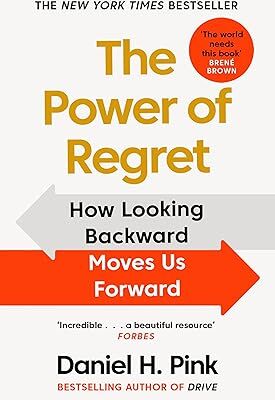
Canongate Books The Power of Regret: How Looking Backward Moves Us Forward by Daniel H. Pink - Paperback Non-Fiction Self-Help Book - AdultDiscover how looking backward can move us forward with 'The Power of Regret' by Daniel H. Pink. This brand new paperback, published by Canongate Books, draws on Pink's World Regret Survey to reveal the value of regret in making smarter decisions, improving performance, and living with greater purpose. Named a Financial Times Best Book of the Year 2022, it's a standout addition to any non-fiction shelf. The book explores how everybody has regrets and argues that they deserve more credit than they usually get. With accessible, research-driven content and real stories, it's a thought-provoking read that will help you understand the role of regret in your life.2,99 £*Shipping: 2,99 £Secure redirect to the provider
-
Canelo James Blake Thrillers by Seb Kirby - 3 Book Collection Set (Take No More, Regret No More, Forgive No More) - Crime Thriller Paperback - Adult FictionThe James Blake Thrillers is a fast-paced crime and conspiracy series from Seb Kirby, following art-world investigator James Blake across Europe and America as he uncovers deadly secrets, corruption and betrayal. This paperback set brings together all three books in the series - Take No More, Regret No More and Forgive No More - perfect for thriller fans who love globe-trotting plots, high stakes and twisting conspiracies from first page to last. In Take No More, James Blake discovers his wife murdered in their London home and, as the prime suspect, flees to Florence and Venice, uncovering a shadowy underworld tied to a lost fortune. Regret No More finds Blake and his family in hiding until a phone call reveals their location, and they must navigate a complex web of deceit and betrayal to stay one step ahead of their pursuers. Forgive No More concludes the series with a thrilling showdown between Blake and his enemies, as he fights to clear his name and bring justice to those responsible for his wife's murder. Published by Canelo, this collection is a must-read for fans of crime fiction and conspiracy thrillers.13,99 £*Shipping: 2,99 £Secure redirect to the provider
-
What is cultural heterogeneity?
Cultural heterogeneity refers to the presence of diverse cultural elements within a society or community. This diversity can manifest in various ways, such as through differences in language, religion, customs, traditions, and values. Cultural heterogeneity can result from historical migration patterns, globalization, and the coexistence of multiple ethnic or racial groups within a given area. Embracing and understanding cultural heterogeneity can lead to a more inclusive and enriched society, as it allows for the exchange of ideas and perspectives from different cultural backgrounds. **
-
What does the term 'economic heterogeneity' mean?
Economic heterogeneity refers to the diversity and variation in economic conditions, activities, and resources within a particular group, region, or society. It highlights the differences in income levels, wealth distribution, employment opportunities, and overall economic well-being among individuals or groups. This concept recognizes that not everyone has the same economic circumstances or opportunities, leading to disparities in economic outcomes and experiences. Understanding economic heterogeneity is important for policymakers and researchers to address inequalities and design targeted interventions to support those in need. **
-
What does the term economic heterogeneity mean?
Economic heterogeneity refers to the diversity and variation in economic conditions, resources, and activities within a particular region, country, or group. It acknowledges that different individuals, households, businesses, and sectors have varying levels of income, wealth, access to resources, and economic opportunities. Understanding economic heterogeneity is important for policymakers, economists, and businesses to design targeted policies and strategies that address the specific needs and challenges of different economic groups. **
-
What is the meaning of heterogeneity and diversity in pedagogy?
Heterogeneity and diversity in pedagogy refer to the recognition and celebration of the differences among students in terms of their backgrounds, learning styles, abilities, and experiences. It involves acknowledging that each student is unique and may require different approaches to teaching and learning. Embracing heterogeneity and diversity in pedagogy allows educators to create inclusive and equitable learning environments that cater to the needs of all students, promoting their academic success and personal growth. **
Similar search terms for Heterogeneity
-
What is the meaning of heterogeneity and diversity in education?
Heterogeneity and diversity in education refer to the presence of a wide range of differences among students, including differences in backgrounds, abilities, learning styles, and experiences. Embracing heterogeneity and diversity in education means recognizing and valuing these differences, and creating inclusive learning environments that cater to the needs of all students. It involves promoting equity, providing personalized support, and fostering a sense of belonging for every student, regardless of their individual characteristics. **
-
What are examples of sameness and difference in the inclusive understanding of heterogeneity?
In the inclusive understanding of heterogeneity, examples of sameness can be seen in the recognition of shared human experiences and emotions, regardless of individual differences. For instance, the acknowledgment that all individuals experience joy, sadness, and fear, regardless of their background or identity. On the other hand, examples of difference can be found in the celebration and acceptance of diverse perspectives, beliefs, and experiences. This can include recognizing and valuing the unique cultural traditions, languages, and customs that make each individual or group distinct. Overall, the inclusive understanding of heterogeneity emphasizes both the common humanity and the richness of diversity within a community. **
-
What is the difference between forgiveness and repentance?
Forgiveness is the act of letting go of anger, resentment, or the desire for revenge towards someone who has wronged you. It involves releasing the negative feelings and choosing to move forward without holding onto the hurt. Repentance, on the other hand, is the act of acknowledging one's wrongdoing, feeling remorse for it, and making a genuine effort to change and make amends. It involves taking responsibility for one's actions and seeking to make things right. In essence, forgiveness is about letting go of the hurt, while repentance is about acknowledging and seeking to rectify the hurtful actions. **
-
How can one attain forgiveness and repentance in Islam?
In Islam, forgiveness and repentance can be attained through sincere remorse for one's actions, seeking forgiveness from Allah, and making a commitment to change one's behavior. Repentance involves acknowledging one's mistakes, feeling genuine regret, and resolving not to repeat the sinful behavior. Seeking forgiveness from Allah through prayer, supplication, and asking for His mercy is also an important part of the process. Additionally, seeking forgiveness from those who have been wronged and making amends for any harm caused is also encouraged in Islam. Ultimately, attaining forgiveness and repentance in Islam requires a genuine and sincere effort to turn away from sin and seek Allah's mercy and forgiveness. **
* All prices are inclusive of VAT and, if applicable, plus shipping costs. The offer information is based on the details provided by the respective shop and is updated through automated processes. Real-time updates do not occur, so deviations can occur in individual cases. ** Note: Parts of this content were created by AI.