Buy 謝罪.com ?
We are moving the project
謝罪.com .
Are you interested in purchasing the domain
謝罪.com ?
domain@kv-gmbh.de · 0541-91531010
Buy 謝罪.com ?
How can one neutralize hydrogen cyanide (cyanide)?
Hydrogen cyanide can be neutralized by using a chemical called sodium thiosulfate. When sodium thiosulfate is added to a solution containing hydrogen cyanide, it reacts with the cyanide ions to form a non-toxic compound called thiocyanate. This reaction effectively neutralizes the cyanide and reduces its toxicity. It is important to handle hydrogen cyanide and sodium thiosulfate with caution and follow proper safety protocols when attempting to neutralize cyanide. **
What is cyanide poisoning?
Cyanide poisoning occurs when a person is exposed to high levels of cyanide, a highly toxic chemical compound. Cyanide can interfere with the body's ability to use oxygen, leading to symptoms such as difficulty breathing, confusion, and loss of consciousness. It can be ingested, inhaled, or absorbed through the skin, and can be fatal if not treated promptly. Cyanide poisoning can occur in industrial accidents, through ingestion of certain plants or seeds, or as a result of intentional exposure in cases of suicide or homicide. **

Similar search terms for Cyanide
Top-Angebote
Products related to Cyanide:
-
Canelo James Blake Thrillers by Seb Kirby - 3 Book Collection Set (Take No More, Regret No More, Forgive No More) - Crime Thriller Paperback - Adult FictionThe James Blake Thrillers is a fast-paced crime and conspiracy series from Seb Kirby, following art-world investigator James Blake across Europe and America as he uncovers deadly secrets, corruption and betrayal. This paperback set brings together all three books in the series - Take No More, Regret No More and Forgive No More - perfect for thriller fans who love globe-trotting plots, high stakes and twisting conspiracies from first page to last. In Take No More, James Blake discovers his wife murdered in their London home and, as the prime suspect, flees to Florence and Venice, uncovering a shadowy underworld tied to a lost fortune. Regret No More finds Blake and his family in hiding until a phone call reveals their location, and they must navigate a complex web of deceit and betrayal to stay one step ahead of their pursuers. Forgive No More concludes the series with a thrilling showdown between Blake and his enemies, as he fights to clear his name and bring justice to those responsible for his wife's murder. Published by Canelo, this collection is a must-read for fans of crime fiction and conspiracy thrillers.13,99 £*Shipping: 2,99 £Secure redirect to the provider

-
How is cyanide produced?
Cyanide is typically produced through the chemical process of combining hydrogen cyanide gas with other chemicals to form various cyanide compounds. One common method involves reacting ammonia with natural gas and air in the presence of a catalyst to produce hydrogen cyanide gas. Another method involves the reaction of sodium cyanide with acids to produce hydrogen cyanide gas. These processes are carried out in industrial settings under controlled conditions due to the highly toxic nature of cyanide. **
-
'How do you obtain cyanide?'
Cyanide can be obtained through various industrial processes, such as the production of plastics, textiles, and paper. It can also be found in certain plants, such as the pits and seeds of some fruits, as well as in some insects. Additionally, cyanide can be produced synthetically through chemical reactions involving carbon and nitrogen compounds. However, it is important to note that cyanide is extremely toxic and should only be handled by trained professionals in controlled environments. **
-
'How is hydrogen cyanide produced?'
Hydrogen cyanide is produced through the reaction of ammonia, natural gas, and air in the presence of a catalyst. The process involves the conversion of methane in natural gas to hydrogen and carbon monoxide, which then react with ammonia to produce hydrogen cyanide. This reaction typically takes place in a high-temperature environment and is carried out in specialized chemical plants. Hydrogen cyanide is a highly toxic and flammable compound that is used in various industrial processes, including the production of acrylic fibers, plastics, and pesticides. **
-
What is cyanide in kernels?
Cyanide in kernels refers to the presence of cyanogenic glycosides, which are compounds found in certain seeds, pits, and kernels of fruits like apricots, almonds, and cherries. When these compounds come into contact with enzymes in the body, they can release hydrogen cyanide, a highly toxic substance. Consuming large amounts of kernels containing cyanide can be dangerous and even fatal, so it is important to be cautious when eating these foods. **
What is cyanide in seeds?
Cyanide in seeds refers to the presence of cyanogenic glycosides, which are compounds found in certain plants that can release cyanide when metabolized by the body. These compounds act as a defense mechanism for the plant against herbivores. In small amounts, cyanide is detoxified by the body, but in large doses, it can be toxic and even lethal. It is important to be cautious when consuming seeds that contain cyanogenic glycosides, such as apple seeds or bitter almonds, and to avoid consuming them in large quantities. **
Am I poisoned with cyanide?
I am an AI language model and I cannot provide medical advice. If you suspect you have been poisoned with cyanide, it is important to seek immediate medical attention. Symptoms of cyanide poisoning can include headache, confusion, dizziness, rapid breathing, and in severe cases, loss of consciousness and cardiac arrest. It is crucial to contact emergency services or go to the nearest hospital for proper evaluation and treatment. **
Top-Angebote
Products related to Cyanide:
-
Rupa Publications Zero Regret Living: Say the Thing, Take the Leap, Sleep at Night by Arielle Mond - Paperback Self-Help Guide to Braver, Regret-Free LivingDiscover a bold and practical guide to living a life of purposeful choices and honest conversations. 'Zero Regret Living' by Arielle Mond offers a direct exploration of the quiet regrets that shadow everyday life, including missed opportunities, unspoken truths, and hesitant steps left untaken. With a warm and urgent tone, Mond blends honest storytelling with practical coaching to create a journey that resonates with readers at any stage of life. This book examines self-doubt and fear, providing actionable exercises to help you build a life of fulfillment and intention.2,99 £*Shipping: 2,99 £Secure redirect to the provider
-
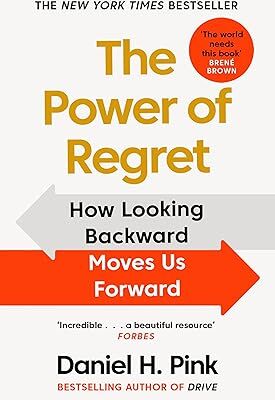
Canongate Books The Power of Regret: How Looking Backward Moves Us Forward by Daniel H. Pink - Paperback Non-Fiction Self-Help Book - AdultDiscover how looking backward can move us forward with 'The Power of Regret' by Daniel H. Pink. This brand new paperback, published by Canongate Books, draws on Pink's World Regret Survey to reveal the value of regret in making smarter decisions, improving performance, and living with greater purpose. Named a Financial Times Best Book of the Year 2022, it's a standout addition to any non-fiction shelf. The book explores how everybody has regrets and argues that they deserve more credit than they usually get. With accessible, research-driven content and real stories, it's a thought-provoking read that will help you understand the role of regret in your life.2,99 £*Shipping: 2,99 £Secure redirect to the provider
-
Canelo James Blake Thrillers by Seb Kirby - 3 Book Collection Set (Take No More, Regret No More, Forgive No More) - Crime Thriller Paperback - Adult FictionThe James Blake Thrillers is a fast-paced crime and conspiracy series from Seb Kirby, following art-world investigator James Blake across Europe and America as he uncovers deadly secrets, corruption and betrayal. This paperback set brings together all three books in the series - Take No More, Regret No More and Forgive No More - perfect for thriller fans who love globe-trotting plots, high stakes and twisting conspiracies from first page to last. In Take No More, James Blake discovers his wife murdered in their London home and, as the prime suspect, flees to Florence and Venice, uncovering a shadowy underworld tied to a lost fortune. Regret No More finds Blake and his family in hiding until a phone call reveals their location, and they must navigate a complex web of deceit and betrayal to stay one step ahead of their pursuers. Forgive No More concludes the series with a thrilling showdown between Blake and his enemies, as he fights to clear his name and bring justice to those responsible for his wife's murder. Published by Canelo, this collection is a must-read for fans of crime fiction and conspiracy thrillers.13,99 £*Shipping: 2,99 £Secure redirect to the provider
-
How can one neutralize hydrogen cyanide (cyanide)?
Hydrogen cyanide can be neutralized by using a chemical called sodium thiosulfate. When sodium thiosulfate is added to a solution containing hydrogen cyanide, it reacts with the cyanide ions to form a non-toxic compound called thiocyanate. This reaction effectively neutralizes the cyanide and reduces its toxicity. It is important to handle hydrogen cyanide and sodium thiosulfate with caution and follow proper safety protocols when attempting to neutralize cyanide. **
-
What is cyanide poisoning?
Cyanide poisoning occurs when a person is exposed to high levels of cyanide, a highly toxic chemical compound. Cyanide can interfere with the body's ability to use oxygen, leading to symptoms such as difficulty breathing, confusion, and loss of consciousness. It can be ingested, inhaled, or absorbed through the skin, and can be fatal if not treated promptly. Cyanide poisoning can occur in industrial accidents, through ingestion of certain plants or seeds, or as a result of intentional exposure in cases of suicide or homicide. **
-
How is cyanide produced?
Cyanide is typically produced through the chemical process of combining hydrogen cyanide gas with other chemicals to form various cyanide compounds. One common method involves reacting ammonia with natural gas and air in the presence of a catalyst to produce hydrogen cyanide gas. Another method involves the reaction of sodium cyanide with acids to produce hydrogen cyanide gas. These processes are carried out in industrial settings under controlled conditions due to the highly toxic nature of cyanide. **
-
'How do you obtain cyanide?'
Cyanide can be obtained through various industrial processes, such as the production of plastics, textiles, and paper. It can also be found in certain plants, such as the pits and seeds of some fruits, as well as in some insects. Additionally, cyanide can be produced synthetically through chemical reactions involving carbon and nitrogen compounds. However, it is important to note that cyanide is extremely toxic and should only be handled by trained professionals in controlled environments. **
Similar search terms for Cyanide
-
'How is hydrogen cyanide produced?'
Hydrogen cyanide is produced through the reaction of ammonia, natural gas, and air in the presence of a catalyst. The process involves the conversion of methane in natural gas to hydrogen and carbon monoxide, which then react with ammonia to produce hydrogen cyanide. This reaction typically takes place in a high-temperature environment and is carried out in specialized chemical plants. Hydrogen cyanide is a highly toxic and flammable compound that is used in various industrial processes, including the production of acrylic fibers, plastics, and pesticides. **
-
What is cyanide in kernels?
Cyanide in kernels refers to the presence of cyanogenic glycosides, which are compounds found in certain seeds, pits, and kernels of fruits like apricots, almonds, and cherries. When these compounds come into contact with enzymes in the body, they can release hydrogen cyanide, a highly toxic substance. Consuming large amounts of kernels containing cyanide can be dangerous and even fatal, so it is important to be cautious when eating these foods. **
-
What is cyanide in seeds?
Cyanide in seeds refers to the presence of cyanogenic glycosides, which are compounds found in certain plants that can release cyanide when metabolized by the body. These compounds act as a defense mechanism for the plant against herbivores. In small amounts, cyanide is detoxified by the body, but in large doses, it can be toxic and even lethal. It is important to be cautious when consuming seeds that contain cyanogenic glycosides, such as apple seeds or bitter almonds, and to avoid consuming them in large quantities. **
-
Am I poisoned with cyanide?
I am an AI language model and I cannot provide medical advice. If you suspect you have been poisoned with cyanide, it is important to seek immediate medical attention. Symptoms of cyanide poisoning can include headache, confusion, dizziness, rapid breathing, and in severe cases, loss of consciousness and cardiac arrest. It is crucial to contact emergency services or go to the nearest hospital for proper evaluation and treatment. **
* All prices are inclusive of VAT and, if applicable, plus shipping costs. The offer information is based on the details provided by the respective shop and is updated through automated processes. Real-time updates do not occur, so deviations can occur in individual cases. ** Note: Parts of this content were created by AI.