Buy 謝罪.com ?
We are moving the project
謝罪.com .
Are you interested in purchasing the domain
謝罪.com ?
domain@kv-gmbh.de · 0541-91531010
Buy 謝罪.com ?
How is Pokémon Colosseum?
Pokémon Colosseum is a unique and enjoyable game that offers a different experience from the traditional Pokémon games. It features a darker storyline and a focus on capturing and purifying Shadow Pokémon. The game also introduces the concept of Double Battles, adding a new layer of strategy to the gameplay. While it may not have the same depth as the main series games, Pokémon Colosseum is still a fun and engaging experience for fans of the franchise. **
Who destroyed the Colosseum?
The Colosseum in Rome was not destroyed by a single event or individual. Over the centuries, it suffered damage from earthquakes, fires, and stone-robbers who dismantled parts of the structure for building materials. Additionally, neglect and lack of maintenance contributed to its deterioration. Despite these challenges, the Colosseum remains standing as a symbol of ancient Roman engineering and architecture. **


Similar search terms for Westinghouse-Colosseum-fan-with
Top-Angebote
Products related to Westinghouse-Colosseum-fan-with:
-
Westinghouse Industrial Ceiling Fan, Chrome, Quiet, 122 cm, Chrome / silver, metal, Modern, FanIndustrial's speed can be regulated in three stages as required and according to the heat situation. The grey surface promises versatile use. Suitable for rooms up to 20 m² in size. Equipped with pull switch.115,90 £*Shipping: 4,99 £Secure redirect to the provider
-
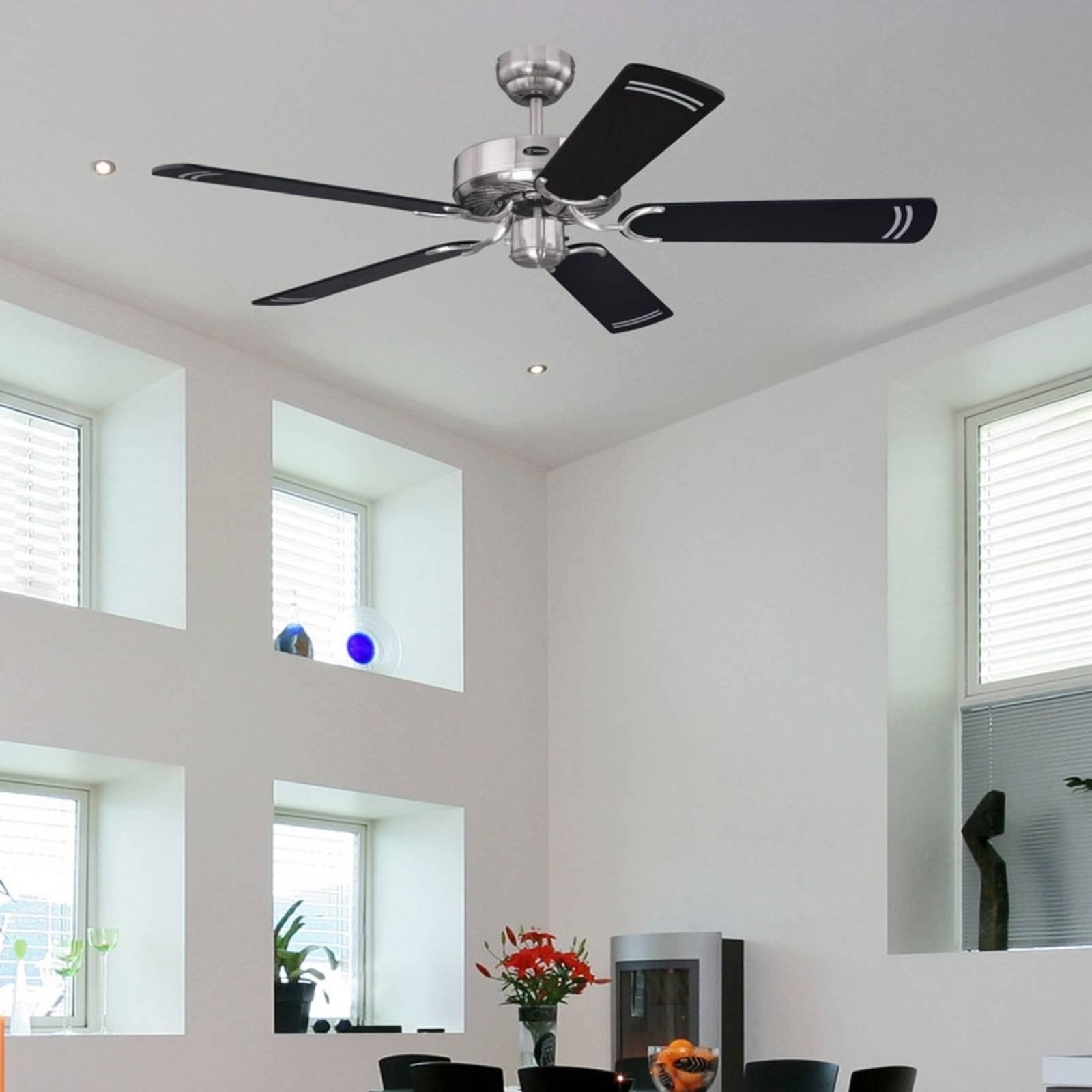
Westinghouse Bendan fan with remote control BENDAN, Dark wood, Wood, Modern, Ceiling Fans with LightingBendan in a satin chrome finish with blades in wengue is supplied with remote control. It runs at 3 speed levels. Suitable for rooms up to 36 m² in size.250,60 £*Shipping: 4,99 £Secure redirect to the provider
-
Westinghouse Bendan – Five-blade fan, white, White / opal, Living / Dining Room, Wood, Modern, FanThe white Bendan ceiling fan embodies stylish modernity and not only refreshes the air in the room, but also provides the appropriate ambient lighting thanks to the integrated light194,90 £*Shipping: 4,99 £Secure redirect to the provider



-
How was the Colosseum flooded?
The Colosseum was flooded by a complex system of channels and drains that were designed to bring water into the arena for mock naval battles, known as naumachiae. The channels were connected to the nearby Aqua Claudia and Anio Novus aqueducts, which brought water from distant sources into the city of Rome. The arena could be flooded quickly and efficiently, allowing for the staging of these spectacular and dramatic naval battles for the entertainment of the Roman citizens. **
-
What is the Colosseum in Rome?
The Colosseum in Rome is an ancient amphitheater that was built in the 1st century AD. It is one of the most iconic landmarks in Rome and is considered one of the greatest works of Roman architecture. The Colosseum was used for gladiatorial contests, public spectacles, and other events, with a seating capacity of up to 80,000 spectators. Today, it is a popular tourist attraction and a symbol of the power and grandeur of the Roman Empire. **
-
Who sat where in the Colosseum?
The seating arrangement in the Colosseum was based on social hierarchy. The lower classes, including slaves and women, were seated in the upper levels, while the middle class sat in the middle sections. The most privileged spectators, such as senators and emperors, had seats closest to the arena floor. The seating reflected the social status of the attendees and their proximity to the action in the arena. **
-
How did the Colosseum get destroyed?
The Colosseum in Rome was not destroyed in a single catastrophic event, but rather suffered damage over the centuries due to natural disasters, neglect, and human activities. Earthquakes in the 5th and 8th centuries caused significant damage to the structure, and many of its materials were later reused in other buildings. Additionally, the Colosseum was used as a quarry for building materials during the Middle Ages. Despite these factors, a large portion of the Colosseum still stands today as a testament to ancient Roman engineering and architecture. **


How did the Colosseum get damaged?
The Colosseum has suffered damage over the centuries due to a combination of natural disasters, neglect, and human activities. Earthquakes have caused significant structural damage to the Colosseum, with the most severe occurring in 1349 and 1703. Additionally, the building has been used as a source of building materials, leading to further deterioration. Pollution and environmental factors have also contributed to the erosion of the Colosseum's facade. Efforts are ongoing to preserve and restore this iconic structure. **
Why is the Colosseum so damaged?
The Colosseum in Rome is so damaged due to a combination of factors over the centuries. Natural disasters such as earthquakes, as well as the pillaging of its materials for other construction projects, have contributed to its deterioration. Additionally, the Colosseum was used as a quarry for many years, with stones being removed for various building projects. The sheer age of the structure, having been built in the 1st century AD, has also played a role in its gradual decay. **
Top-Angebote
Products related to Westinghouse-Colosseum-fan-with:
-
Westinghouse Arius Ceiling Fan with Light, Remote Control, Black, Living / Dining Room, metal, Modern, FanArius combines lighting and air circulation, which provides pleasant effects in both summer and winter: on hot days it creates a pleasant coolness, while in the cold season the heat is distributed in the room in an energy-efficient way. Suitable for rooms up to 30 m² in size292,90 £*Shipping: 4,99 £Secure redirect to the provider
-
Westinghouse Industrial Ceiling Fan, Chrome, Quiet, 122 cm, Chrome / silver, metal, Modern, FanIndustrial's speed can be regulated in three stages as required and according to the heat situation. The grey surface promises versatile use. Suitable for rooms up to 20 m² in size. Equipped with pull switch.115,90 £*Shipping: 4,99 £Secure redirect to the provider
-
Westinghouse Bendan fan with remote control BENDAN, Dark wood, Wood, Modern, Ceiling Fans with LightingBendan in a satin chrome finish with blades in wengue is supplied with remote control. It runs at 3 speed levels. Suitable for rooms up to 36 m² in size.250,60 £*Shipping: 4,99 £Secure redirect to the provider
-
How is Pokémon Colosseum?
Pokémon Colosseum is a unique and enjoyable game that offers a different experience from the traditional Pokémon games. It features a darker storyline and a focus on capturing and purifying Shadow Pokémon. The game also introduces the concept of Double Battles, adding a new layer of strategy to the gameplay. While it may not have the same depth as the main series games, Pokémon Colosseum is still a fun and engaging experience for fans of the franchise. **
-
Who destroyed the Colosseum?
The Colosseum in Rome was not destroyed by a single event or individual. Over the centuries, it suffered damage from earthquakes, fires, and stone-robbers who dismantled parts of the structure for building materials. Additionally, neglect and lack of maintenance contributed to its deterioration. Despite these challenges, the Colosseum remains standing as a symbol of ancient Roman engineering and architecture. **
-
How was the Colosseum flooded?
The Colosseum was flooded by a complex system of channels and drains that were designed to bring water into the arena for mock naval battles, known as naumachiae. The channels were connected to the nearby Aqua Claudia and Anio Novus aqueducts, which brought water from distant sources into the city of Rome. The arena could be flooded quickly and efficiently, allowing for the staging of these spectacular and dramatic naval battles for the entertainment of the Roman citizens. **
-
What is the Colosseum in Rome?
The Colosseum in Rome is an ancient amphitheater that was built in the 1st century AD. It is one of the most iconic landmarks in Rome and is considered one of the greatest works of Roman architecture. The Colosseum was used for gladiatorial contests, public spectacles, and other events, with a seating capacity of up to 80,000 spectators. Today, it is a popular tourist attraction and a symbol of the power and grandeur of the Roman Empire. **
Similar search terms for Westinghouse-Colosseum-fan-with
-
Westinghouse Bendan – Five-blade fan, white, White / opal, Living / Dining Room, Wood, Modern, FanThe white Bendan ceiling fan embodies stylish modernity and not only refreshes the air in the room, but also provides the appropriate ambient lighting thanks to the integrated light194,90 £*Shipping: 4,99 £Secure redirect to the provider
-
Westinghouse Monarch ceiling fan, white, quiet, steel MONARCH, White / opal, Living / Dining Room, Plastic, Modern, FanMonarch ceiling fan is made of metal and plastic. Its blades are white on both sides, but one side is additionally equipped with a bright rattan element. It has a pull switch and runs in summer and winter mode. The fan is switchable in three stages: 58 watts - 175 revolutions per minute 38 watts - 125 revolutions per minute 26 watts - 75 revolutions per minute Weight: 5.8 kg Mounting only possible with the included intermediate rod.138,01 £*Shipping: 4,99 £Secure redirect to the provider
-
Who sat where in the Colosseum?
The seating arrangement in the Colosseum was based on social hierarchy. The lower classes, including slaves and women, were seated in the upper levels, while the middle class sat in the middle sections. The most privileged spectators, such as senators and emperors, had seats closest to the arena floor. The seating reflected the social status of the attendees and their proximity to the action in the arena. **
-
How did the Colosseum get destroyed?
The Colosseum in Rome was not destroyed in a single catastrophic event, but rather suffered damage over the centuries due to natural disasters, neglect, and human activities. Earthquakes in the 5th and 8th centuries caused significant damage to the structure, and many of its materials were later reused in other buildings. Additionally, the Colosseum was used as a quarry for building materials during the Middle Ages. Despite these factors, a large portion of the Colosseum still stands today as a testament to ancient Roman engineering and architecture. **
-
How did the Colosseum get damaged?
The Colosseum has suffered damage over the centuries due to a combination of natural disasters, neglect, and human activities. Earthquakes have caused significant structural damage to the Colosseum, with the most severe occurring in 1349 and 1703. Additionally, the building has been used as a source of building materials, leading to further deterioration. Pollution and environmental factors have also contributed to the erosion of the Colosseum's facade. Efforts are ongoing to preserve and restore this iconic structure. **
-
Why is the Colosseum so damaged?
The Colosseum in Rome is so damaged due to a combination of factors over the centuries. Natural disasters such as earthquakes, as well as the pillaging of its materials for other construction projects, have contributed to its deterioration. Additionally, the Colosseum was used as a quarry for many years, with stones being removed for various building projects. The sheer age of the structure, having been built in the 1st century AD, has also played a role in its gradual decay. **
* All prices are inclusive of VAT and, if applicable, plus shipping costs. The offer information is based on the details provided by the respective shop and is updated through automated processes. Real-time updates do not occur, so deviations can occur in individual cases. ** Note: Parts of this content were created by AI.